Sourdough comes in many shapes and sizes. While it is a simple delight for the eater, it’s a difficult bread to get right for the baker. Therefore, not all of these fermented loaves are created equal. There is good sourdough and not-so-good sourdough.
Here’s a quick guide on how to tell the difference.
Uneven Crumb
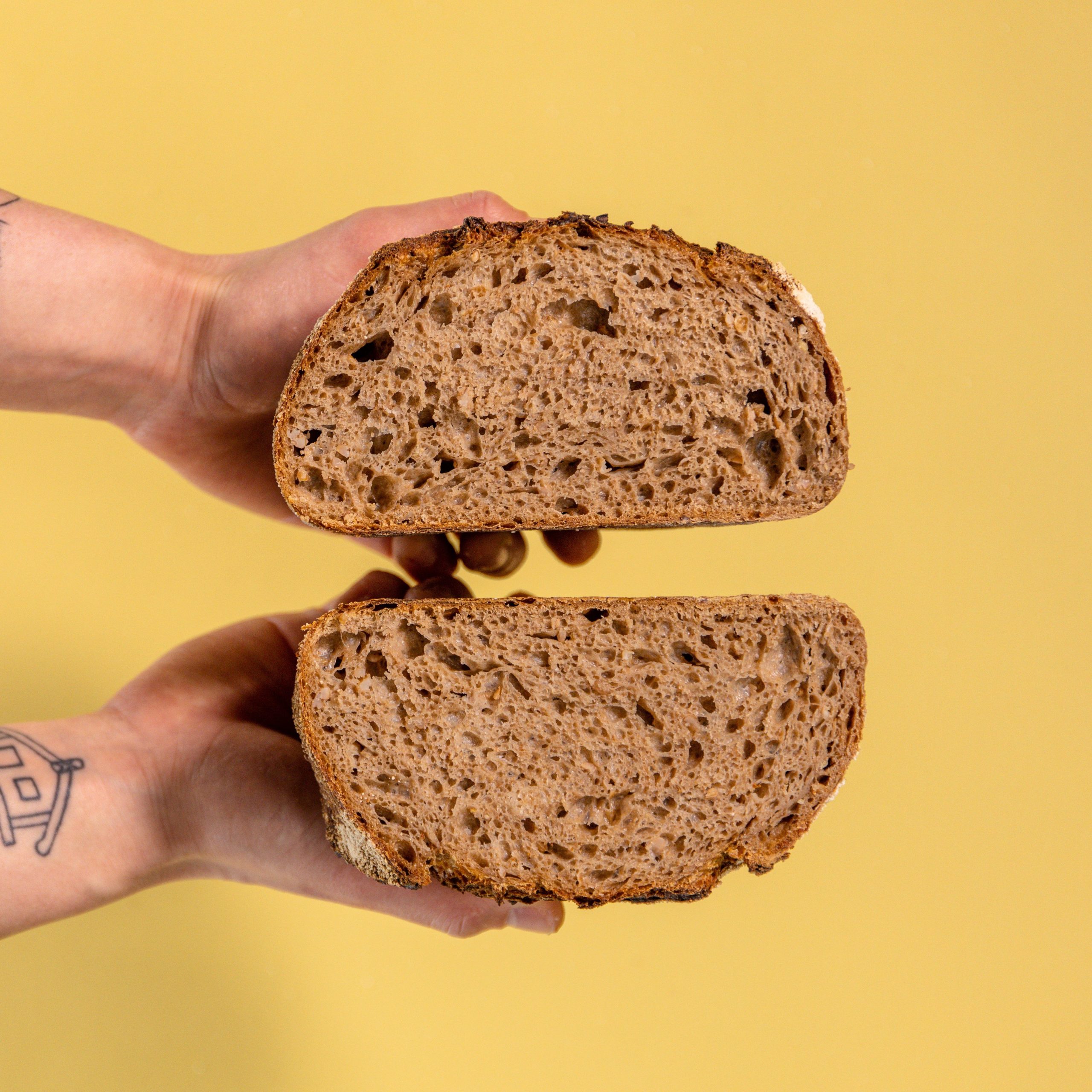
Great sourdough bread should have an uneven crumb. This will present as a random assortment of big and small holes when you cut into the bread. A network of irregular holes is a surefire sign you’ve cut into a proper loaf of sourdough. These small air pockets indicate that the oven heat has fully penetrated the grain which allows for maximum flavour to develop while baking.
The crumb should also look a bit glossy, which means the flour has been well-hydrated and is fully cooked. It should spring back when you press it between your fingers.
Dark Crunchy Crust
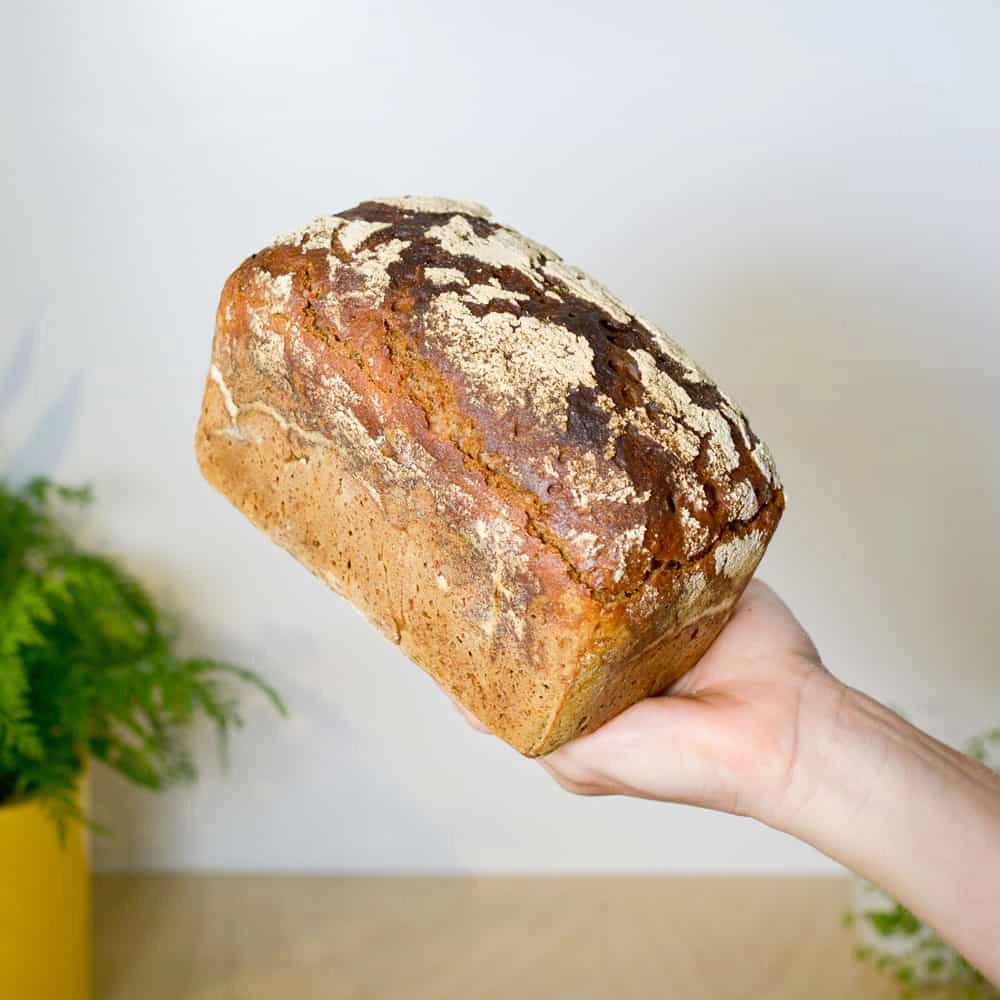
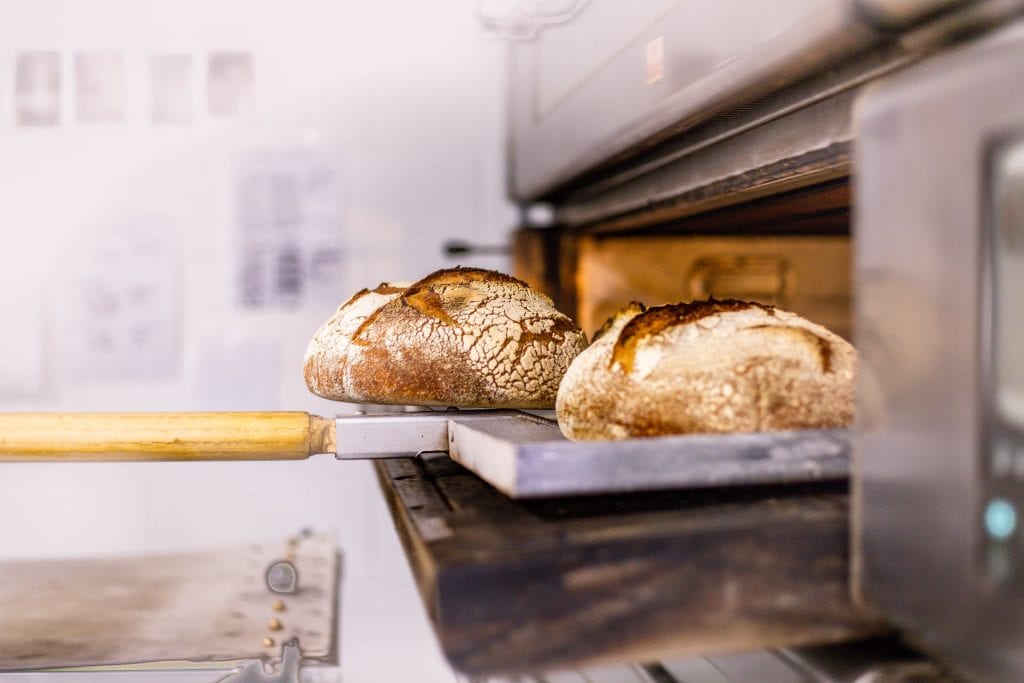
The loaf should present a crunchy crust that contrasts with the soft interior. A darker-coloured crust is generally a good indication that the loaf is going to have lots of flavour. This is due to the Maillard reaction, which occurs during the late stages of baking. Essentially, all of the delicious flavours develop on the surface of the dough and sink into the interior, resulting in a super tasty loaf.
Easily Digestible
When you first bite into a piece of sourdough, it should not feel dry in the mouth. Instead, the natural acidity should make your mouth salivate. Bread that has been fermented for a long period of time (like we do at Bellbird) is easy to digest and tastes delicious, albeit a little sour! Here’s a quick article to explain why sourdough is good for you.
The texture should be reasonably light and fluffy, not overly dense and heavy, although this depends a lot on the type of flour used. Flour which has a lower gluten content, such as rye, barley or oat, will produce a denser loaf than when using wheat or spelt.
Good Keeper
One of the added benefits of a long and slow fermentation is that it improves the keeping qualities of the bread. The sourdough we make at Bellbird doesn’t have any preservatives – nor does any of our other products for that matter. The acids produced by the bacteria from the sourdough starter act as a natural preservative.
As long as it’s stored properly, good sourdough bread should keep for a few days. The crust is at its crunchiest on day one, then the moisture from the crumb will gradually migrate outwards, softening the crust. Eventually, the whole loaf will start to dry out. A good way to slow this process down is to transfer the loaf into a plastic bag – it dries faster if left in a brown paper bag or cloth bag. Avoid putting your sourdough bread in the fridge: it will go stale faster. Room temperature is best.
We hope that you feel a bit more confident in your good-sourdough identification skills.
If this post has got your mouth watering or you are curious to try what a good sourdough tastes like, take a look at our range of sourdough bread and see for yourself!