Welcome to our special Christmas blog – freshly updated!
At Bellbird, we are more than just a team of talented bakers; we are a family that spans the globe, representing countries from South America to Asia, Europe, and beyond. This holiday season, we wanted to share with you the traditional foods our families love to eat during Christmas. From the sweet and savoury treats of Colombia to the summery delights of South Africa, join us on a delicious journey around the world!
Editor’s note: apart from the Stollen, the products mentioned below are not part of our Christmas range.
Dani – Guatemala
¡Feliz Navidad! 🎄✨
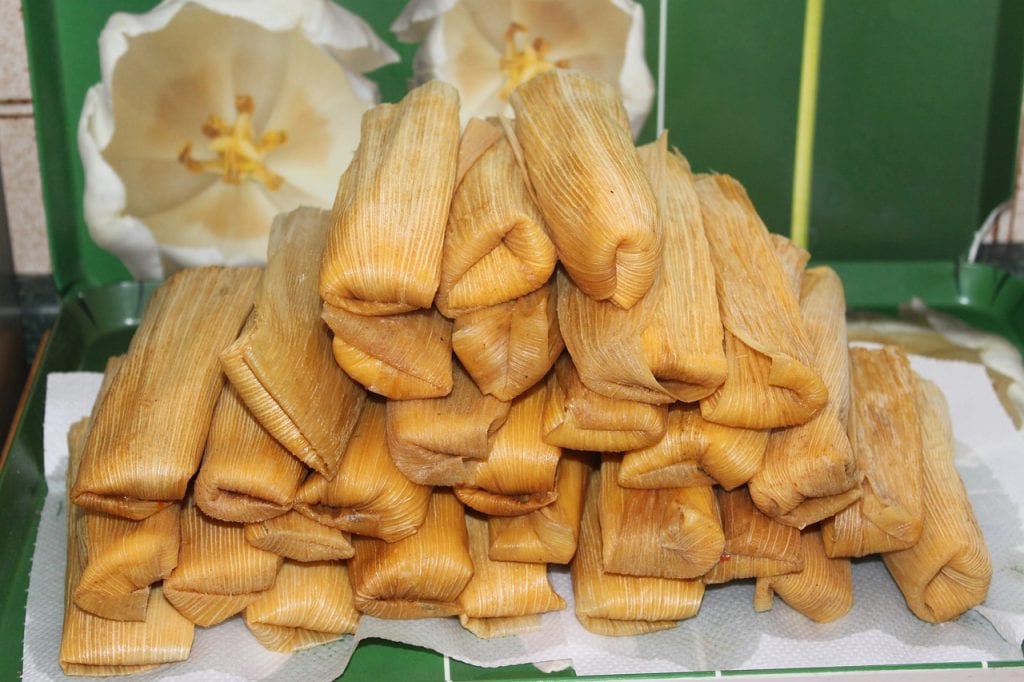
In Guatemala, Christmas kicks off at noon on December 24th. The air fills with incredible scents: spices, pine, turkey, and of course, tamales. And let’s not forget the sound of fireworks—it’s all light and noise here, all day and all night!
The typical Guatemalan Christmas dinner is a feast: turkey, white French bread baked in wood-fired ovens, tamales, and the delicious hot fruit punch. But honestly, these flavours aren’t just for Christmas. Starting in late November, you’ll find them at every family gathering, get-together with friends, or Three Kings Day celebration!
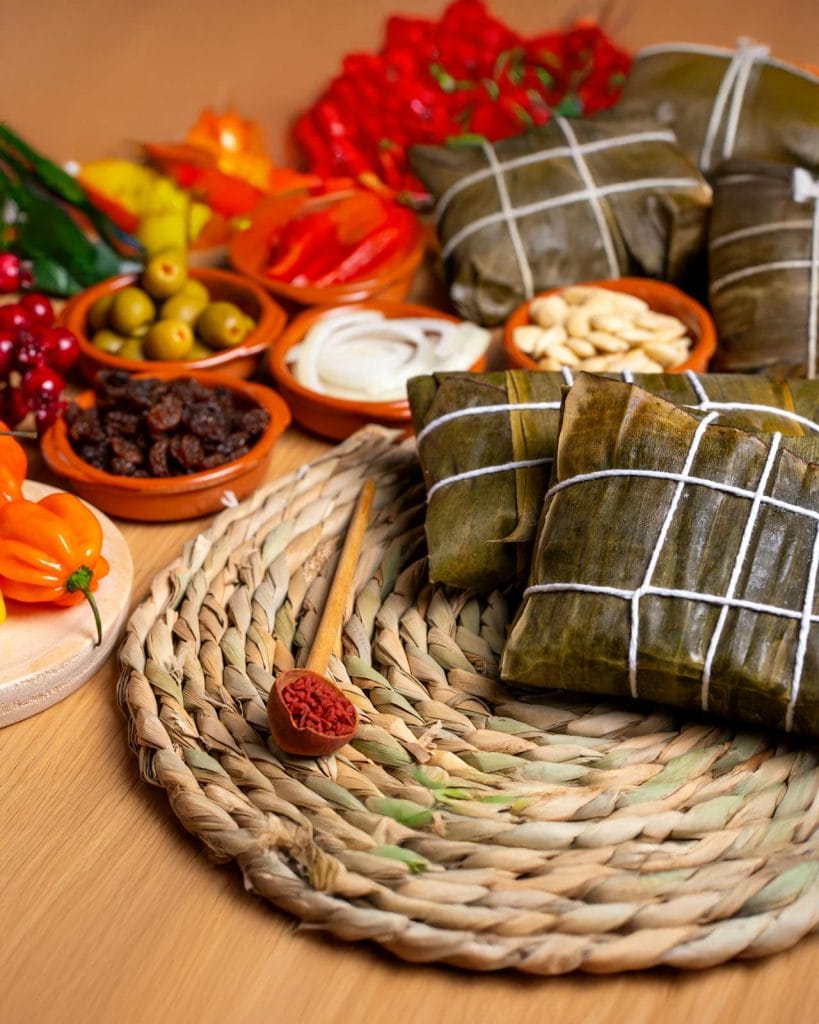
Tamales are the stars of Christmas. Here are the most popular ones:
- Tamal colorado: made with corn masa, lard, a tomato-and-chilli sauce, and chicken.
- Paches: a different take made with smashed potatoes and rice flour, served with a rich red sauce and lard.
- Tamal negro (my personal favourite!): prepared with corn masa, raisins, olives, capers, a cocoa-based sauce, chilli peppers, almonds, spices, and lard.
All tamales are wrapped in banana leaves, which give them their signature flavour, and they are always served with bread.
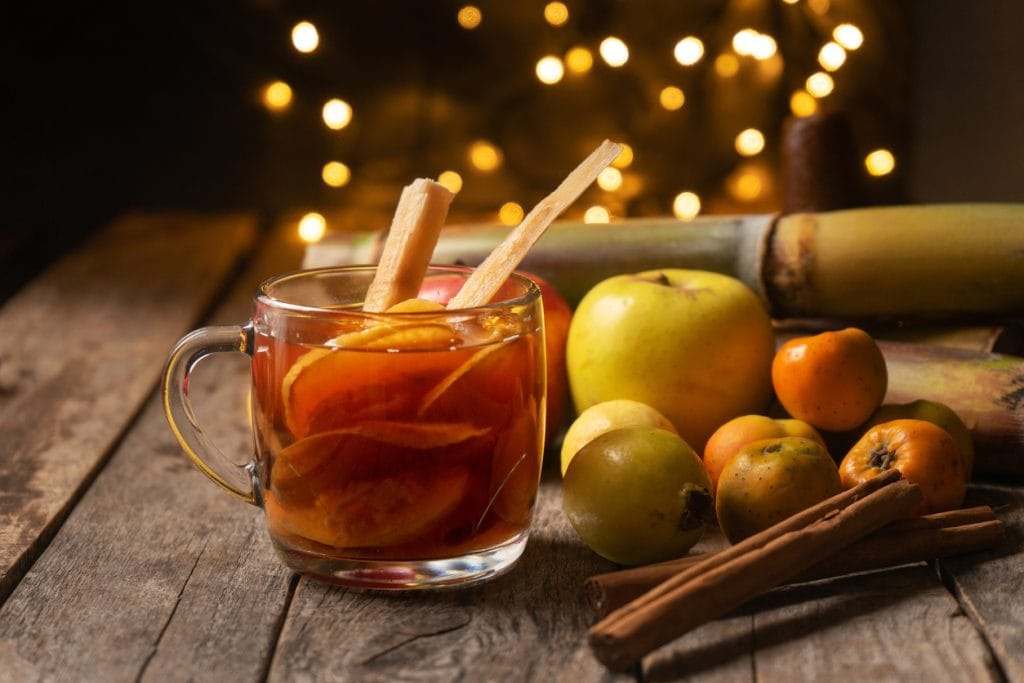
To go with the tamales, there’s nothing better than hot fruit punch. It’s made with a water base and fresh or dried fruits like papaya, apple, pineapple, orange, plus spices like cinnamon, cloves and allspice. For a special touch, you can even add a splash of rum!
And then there’s the turkey, or “el pavo”, which is cooked with an amazing recado (red sauce). It’s made by roasting tomatoes, tomatillos, guajillo and pasa chiles, onions, garlic, and a mix of toasted seeds and spices, blended with turkey broth. This delicious dish is served with our traditional bread, the pan frances or pan pirujo.
That’s how we celebrate in Guatemala: with delicious food, unique traditions (like having pine leaves covering the floor all over the house) and lots of love!
Nicolas – Colombia
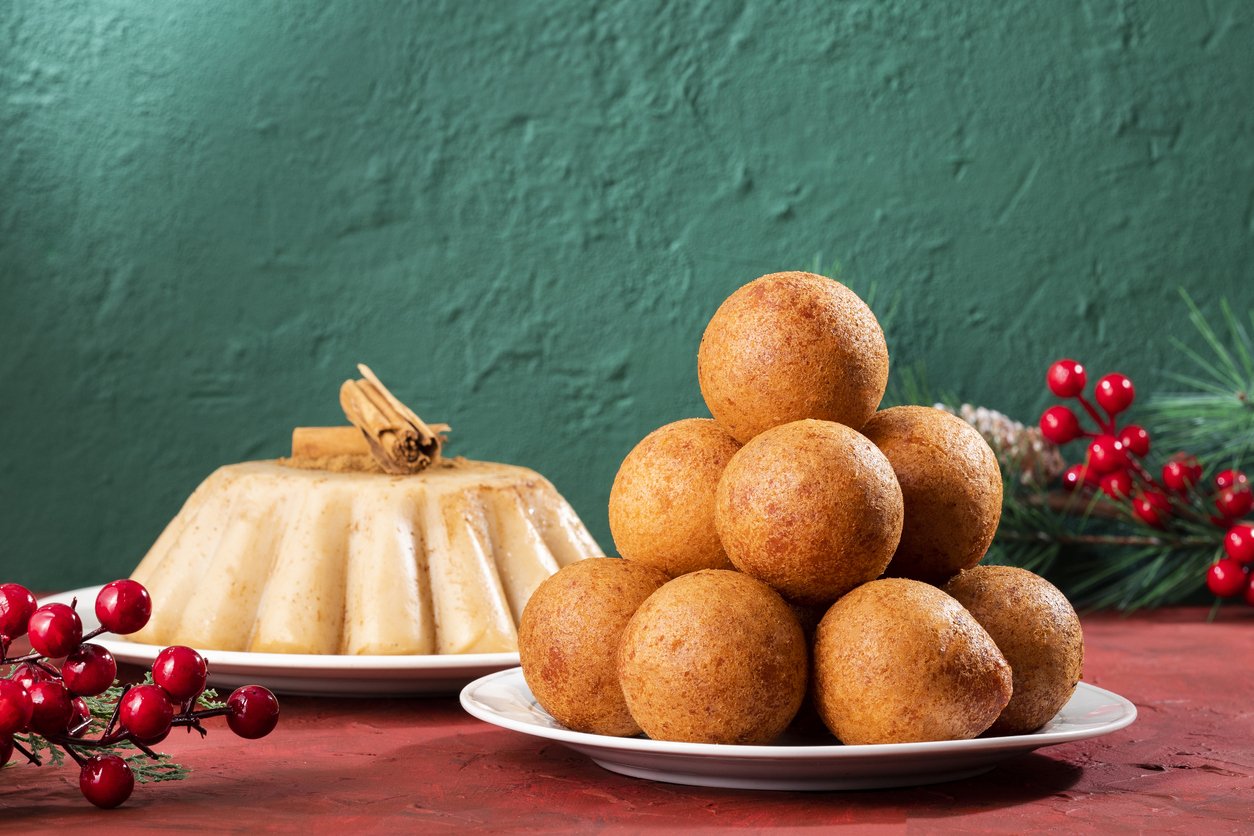
¡Hola! In Colombia, Christmas isn’t Christmas without Natilla y Buñuelos.
Natilla is a creamy milk custard dessert similar to flan. It is traditionally made with panela, a dark brown sugar made from sugar cane which gives natilla its beautiful caramel colour and flavour. The dessert is often topped with a sprinkle of cinnamon or a dollop of blackberry sauce. 🍮
And buñuelos? Those are ball-shaped fritters made with a mix of cheese, corn starch and yuca (cassava) flour. They are crispy on the outside, yet wonderfully soft and cheesy inside. They are a Christmas staple in Colombia but they are also popular year round. We typically eat them for breakfast with hot chocolate or coffee.
Cesar – El Salvador
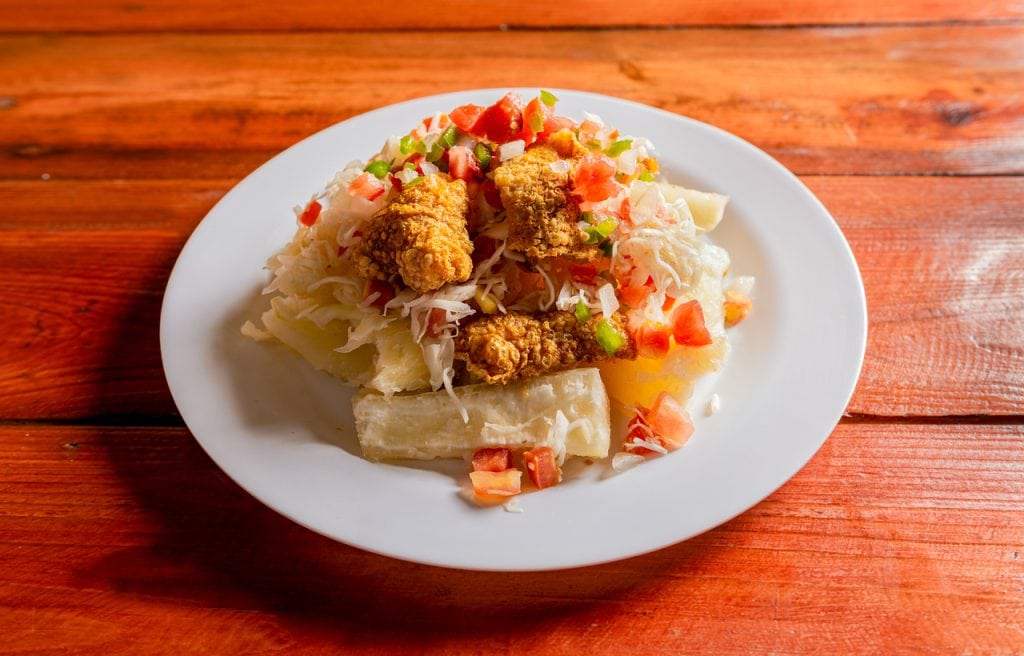
¡Hola! Let me take you to a Salvadoran Christmas. Imagine ripe sweet plantains, slit open, and filled with a rich custard (leche poleada). We call these canoas (canoes) because they look like little boats. They are often served warm and are a heavenly mix of caramelised and creamy. 🍌
In my mother’s hometown, Salcoatitan, the streets would be filled with the aroma of baked cassava/yuca and chicharrón (fried pork) during Christmas. Although we also enjoy tamales, panes con pollo (chicken sandwiches) and empanadas, my favourite has always been canoas. I’ve tried to make them here in New Zealand but it’s hard to get the same plantain.
Natali – Argentina
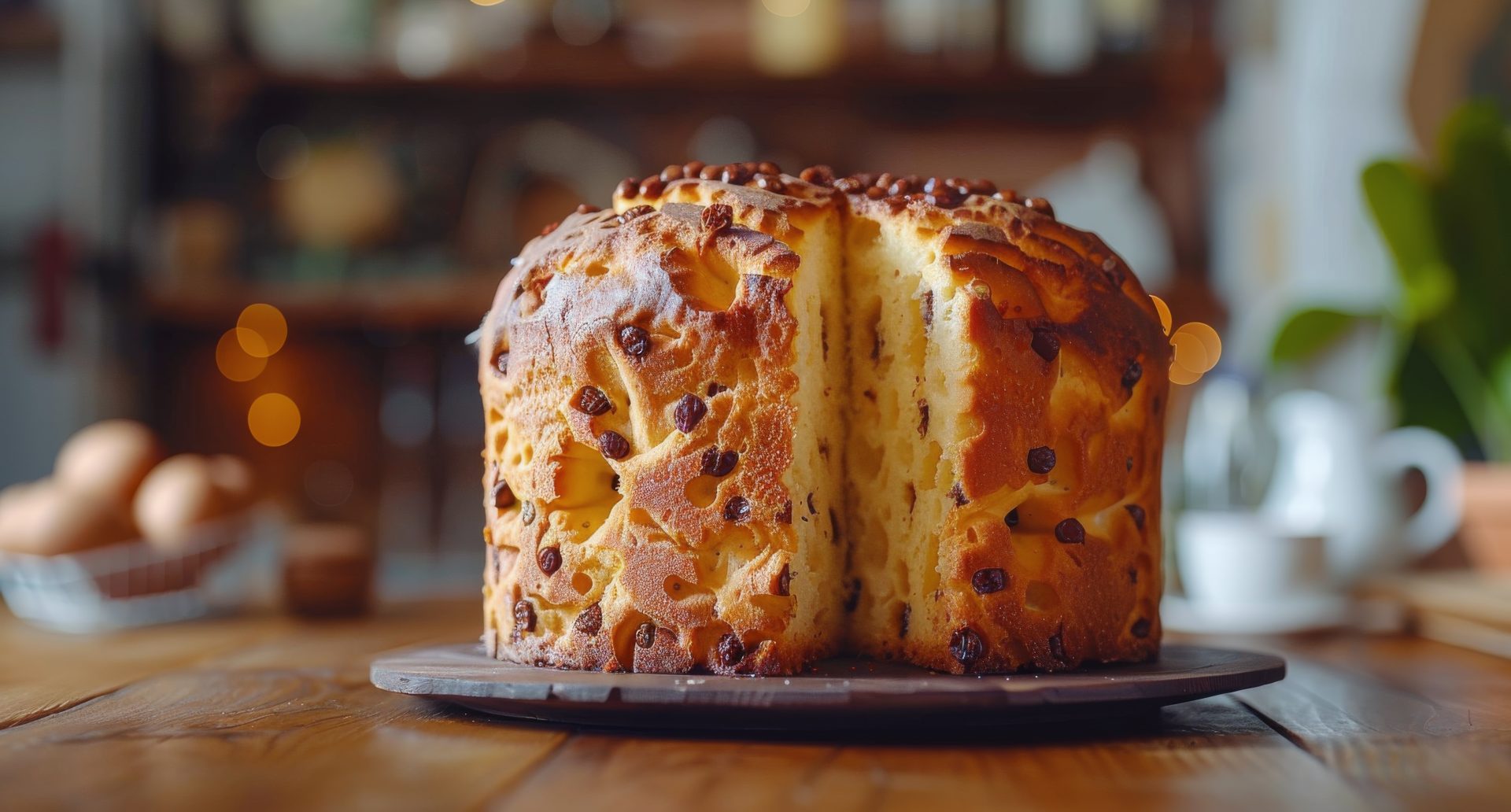
¡Buen día! In Argentina, the one tradition every family has is sharing Pan Dulce for breakfast or dessert. It was brought to Argentina by Italian immigrants and is very similar to the Italian Panettone: a sweet bread full of nuts, dried and candied fruits. Every bakery in Argentina sells pan dulce at Christmastime. Argentina has kept this Italian tradition even though our Christmas is in summer! So you can have a piece of this warming sweet bread full of dried fruit and then a fruit salad and ice cream. 🤣
Sarah – UK
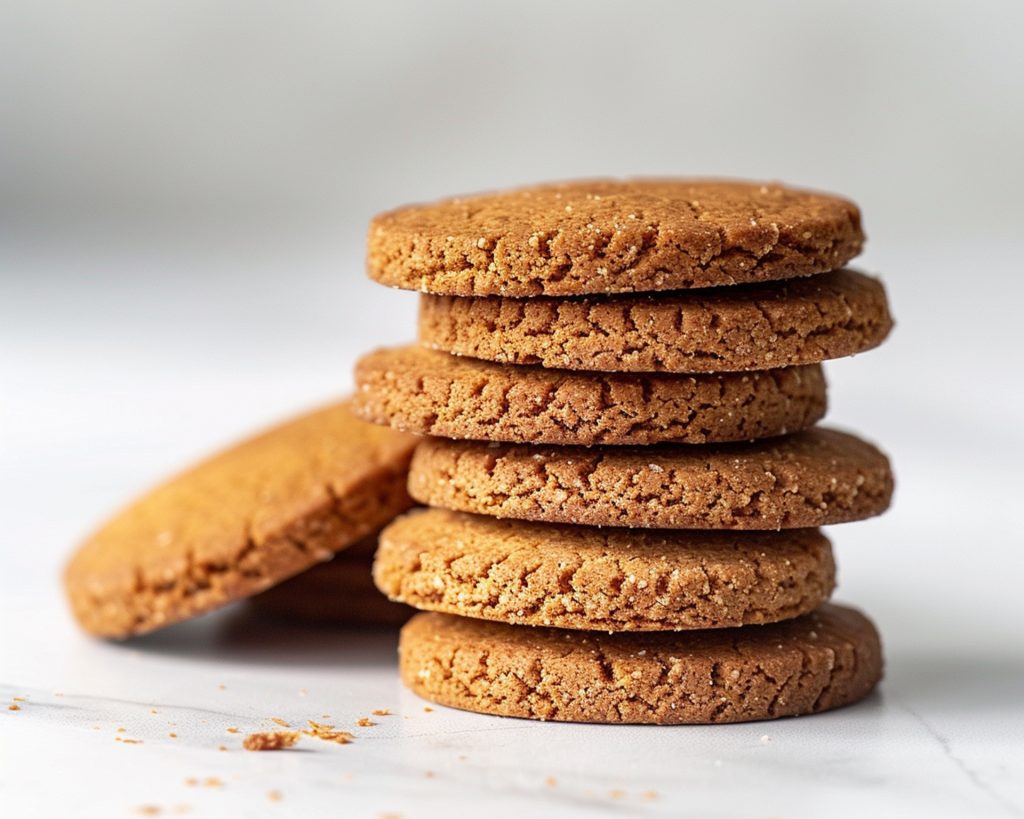
Hello! Every Christmas, in my family, we would bake or buy a dessert that reminded my dad of his childhood. We were living in France but he grew up in the UK. He missed having gingernuts and treacle tarts handy.
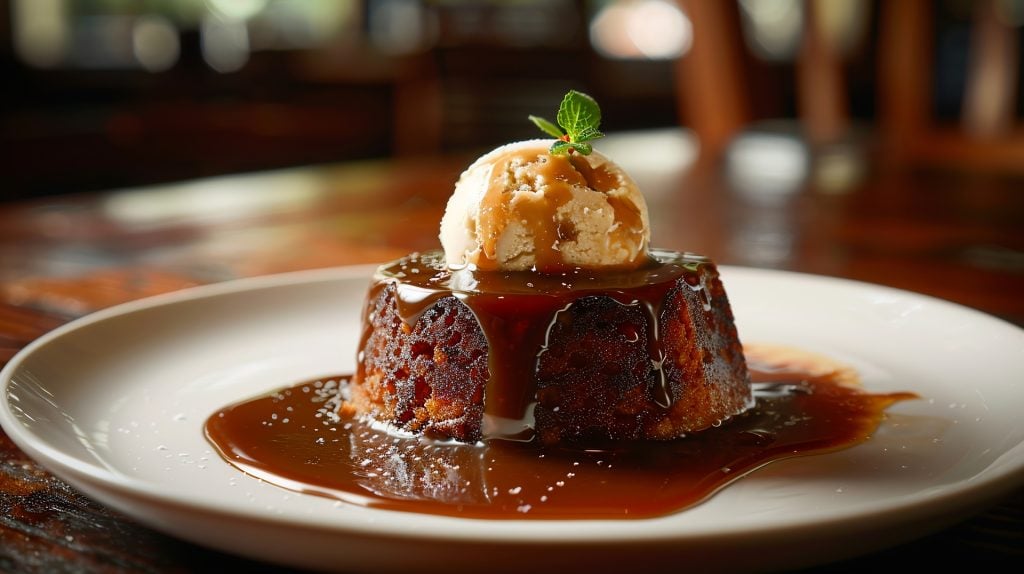
One day, I discovered an amazing recipe book in my grandmother’s house. She hated baking, but for mysterious reasons, had an impressive collection of baking recipe books! We tried making a sticky pear pudding from this book. It was a win! Since then we almost always had sticky pear pudding for Christmas. Served warm with a scoop of ice cream, it is delicious!
David – France
Bonjour ! I come from the Alsace region in the East of France (close to Germany). Here, we start the Christmas meal with l’apéro – maybe a Crémant d’Alsace (a sparkling wine similar to Champagne) or a kir (blackcurrant liqueur and white wine). 🥂
Then we might have some smoked salmon, smoked duck breast or foie gras (lovingly prepared by my father at the start of December) with Mauricette, a lye roll similar to pretzel that is typical of the Alsace region. Charcuterie, cheese and fresh oysters are often also on the menu, although I personally could never eat the oysters. 😅
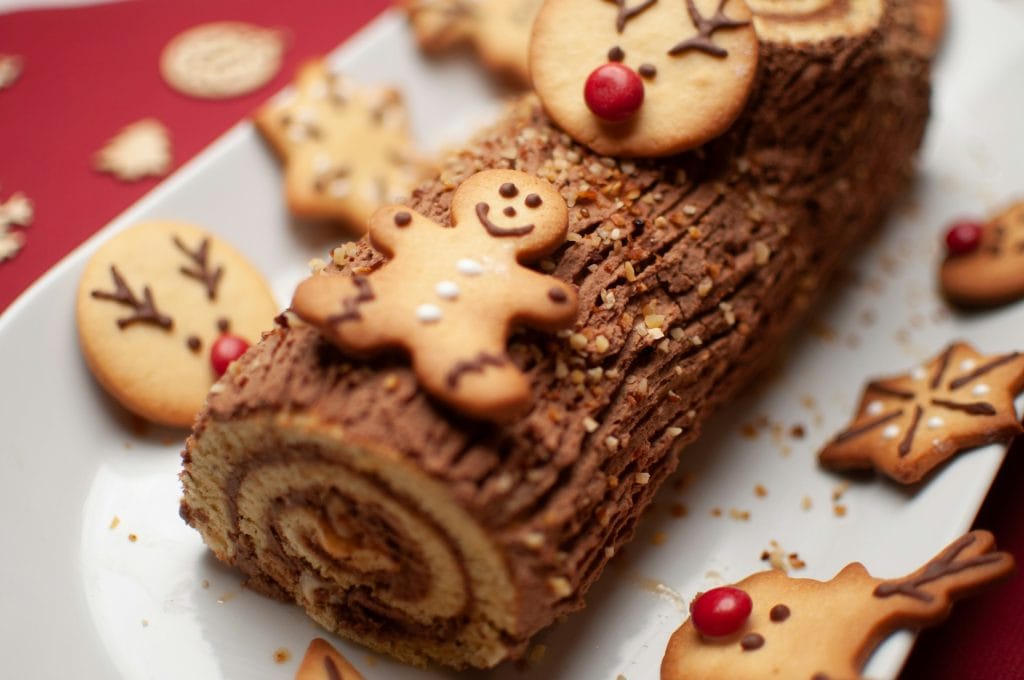
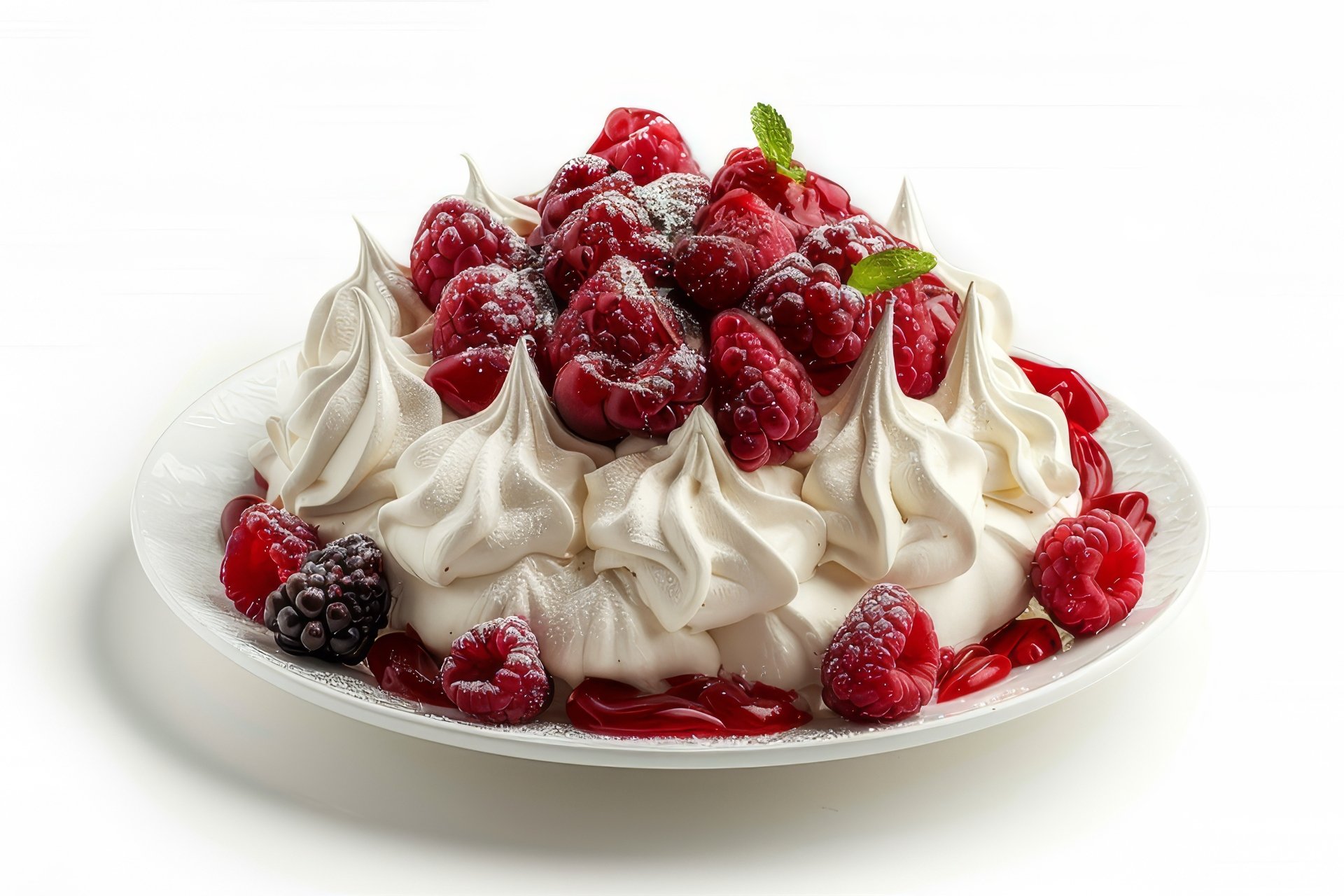
For dessert you can’t go past the Bûche de Noël (Yule log) or a Vacherin (an iced dessert made with meringue, vanilla ice cream, raspberry sorbet and whipped cream). And the cherry on top: some schnapps from my granddad’s collection! 🥴
Isabel – Germany
Guten Tag! As my parents are from England and Germany, we celebrate Christmas with a mix of traditions. The food that stands out most to me is the German baking.
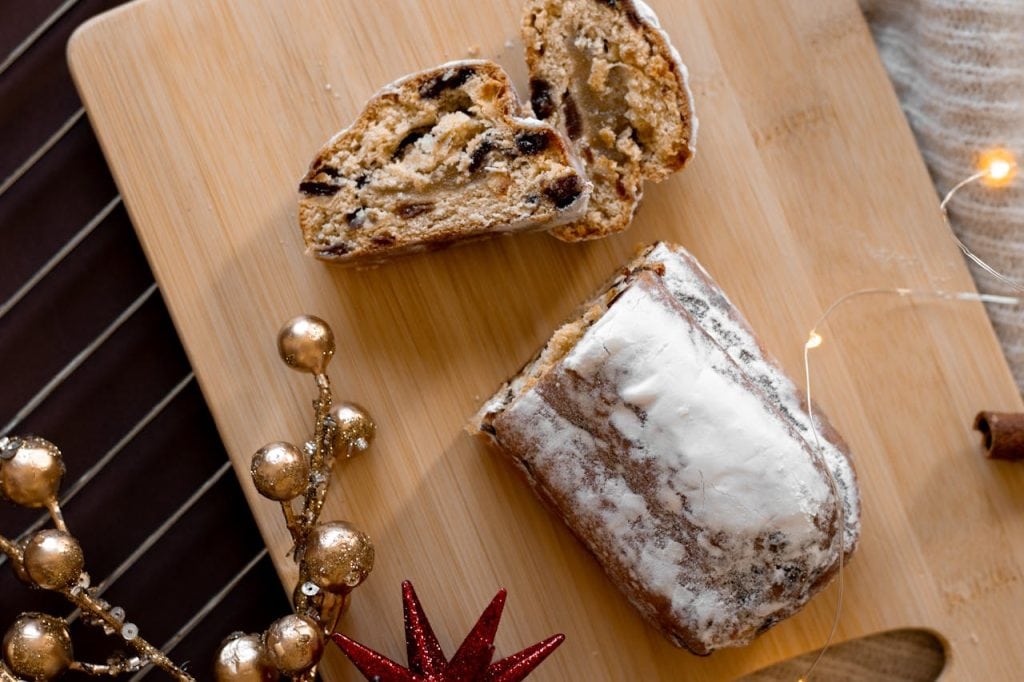
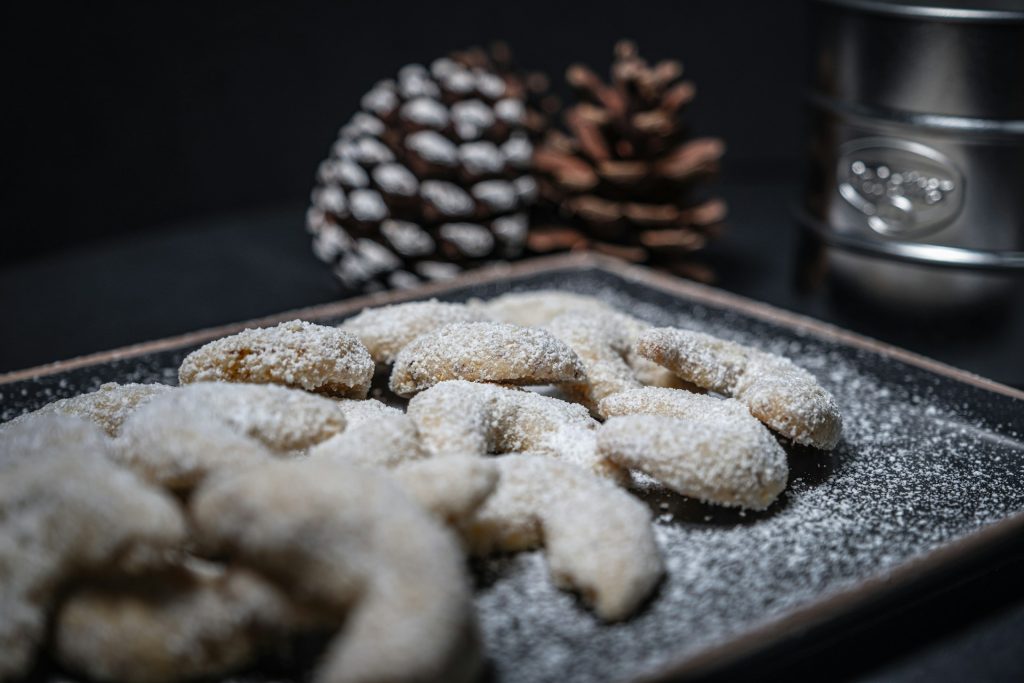
My mother bakes Stollen (an enriched fruit bread with marzipan filling) every year – the marzipan in Bellbird’s Stollen is actually based on her recipe – and we all make Weihnachtsplätzchen (Christmas biscuits) together. My favourite are the Vanillekipferl, crescent shaped vanilla almond biscuits which are rolled in icing sugar while still hot. We use a mix of real vanilla and Dr. Oetker Vanille Zucker (vanilla sugar), as the Dr. Oetker sugar is something my mother remembers from her childhood.
There are a few theories about the origin of Vanillekipferl, the most popular being that they were invented during the Austro-Hungarian Empire to celebrate the empire’s victory against the Turkish army in Vienna in 1683. Some people argue that the croissant shares the same history, and that the version we know today is a descendant of the Kipferl biscuit. I prefer to think of them as vanilla almond deliciousness in the shape of a crescent moon, and we always make at least twice as many of these as of any other Plätzchen.
Katarina – Slovakia
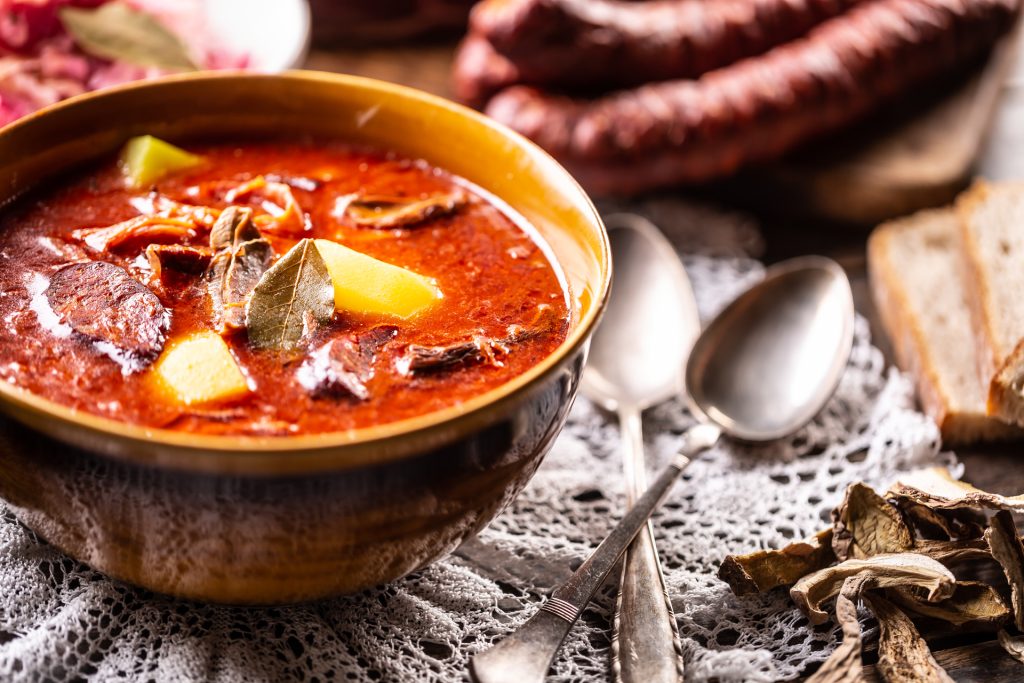
Ahoj! In Slovakia, we celebrate Christmas Eve and so the dinner on the 24th is our most important meal. Our table would always have kapustnica (sauerkraut soup) and fried fish with potato salad as a main course. Other parts of Slovakia have different traditions; for example halászlé (fish soup) in the South or bean/lentil soup and pierogi in the East.
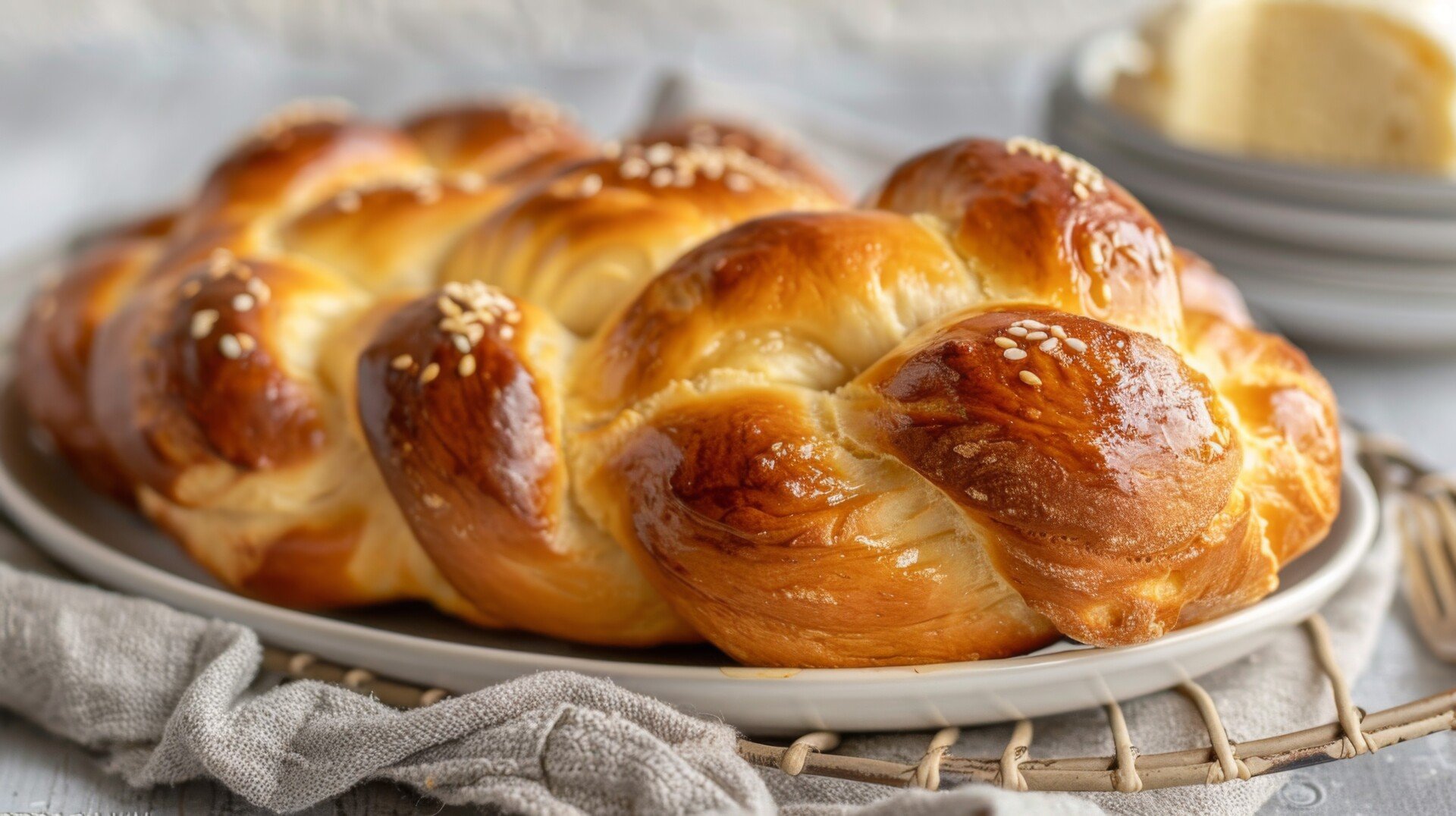
Likewise there are many sorts of Christmas cookies and cakes baked around the country. In our family we like to prepare medovniky (honey-spiced cookies) – we often hang those on our Christmas tree as a decoration – and vanilkove rožky (vanilla crescents) made from ground almonds or walnuts. Vianočka is a braided brioche that we would have for breakfast on the 25th.
Since moving to New Zealand, we’ve added beach picnics and trifle to our Christmas Day celebrations, creating a unique mix of Slovak and Kiwi traditions.
Timea – Hungary
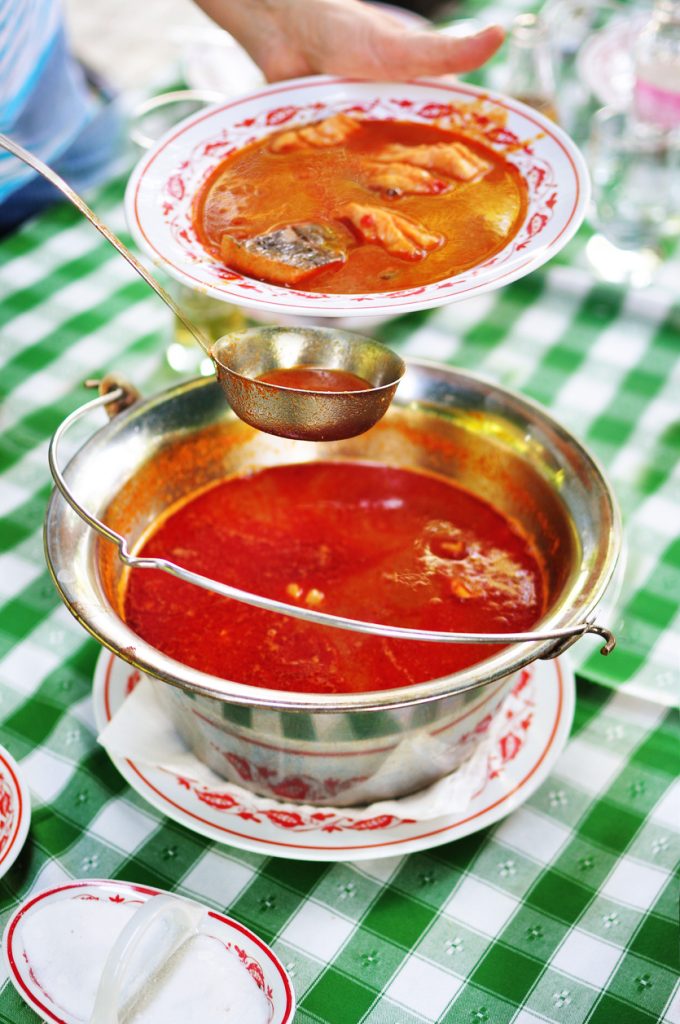
Szia! Each Hungarian family has its own traditions when it comes to the Christmas meal. A typical Hungarian Christmas dinner usually begins with Halászlé, Fisherman’s soup. Since Hungary is landlocked, the soup is made with freshwater fish, most often carp. It’s a hearty soup, flavoured with plenty of Hungarian paprika and chunks of fish. There’s a belief that eating fish at Christmas brings wealth to the family. Unfortunately, I’m not particularly fond of Halászlé, which may explain why I’m not exactly rolling in banknotes. 😁
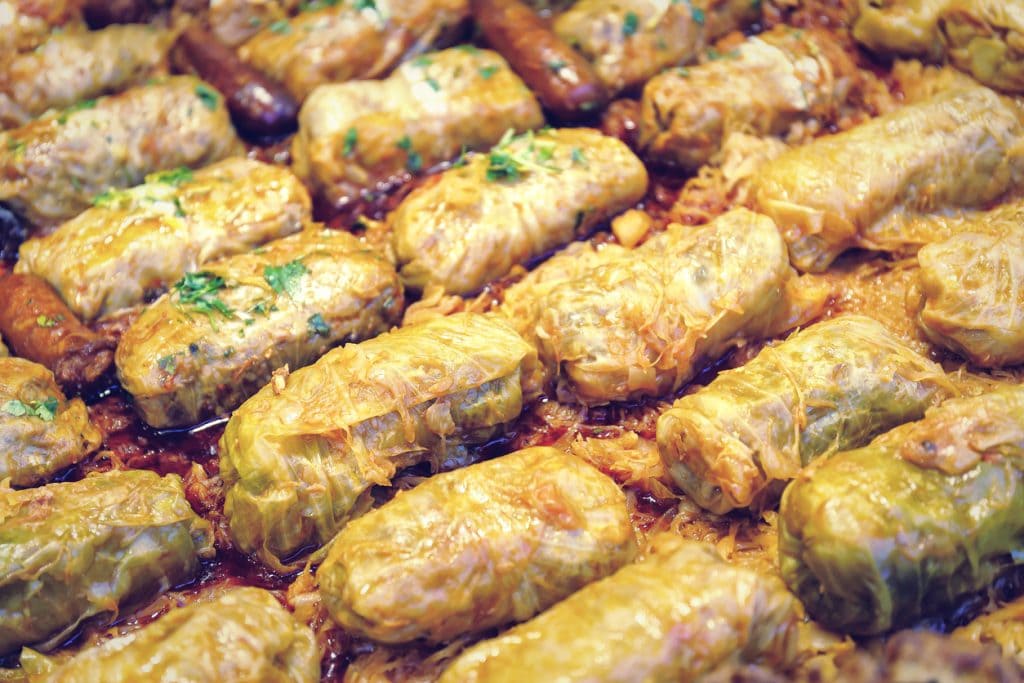
Another classic dish is Töltött káposzta, stuffed cabbage rolls. This is one of the most beloved Hungarian meals, made with ground meat, smoked meat and rice, all mixed, and wrapped in cabbage leaves, covered with sauerkraut, and slow-cooked. Making this dish requires a bit of preparation, as the cabbage leaves need to be fermented, much like the process of making sauerkraut. The size of the rolls can vary by region, but I prefer the smaller ones. Hungarians usually prepare this dish a few days earlier as it tastes better the next day (or even later). Served with a generous amount of sour cream and a slice of fresh white bread.
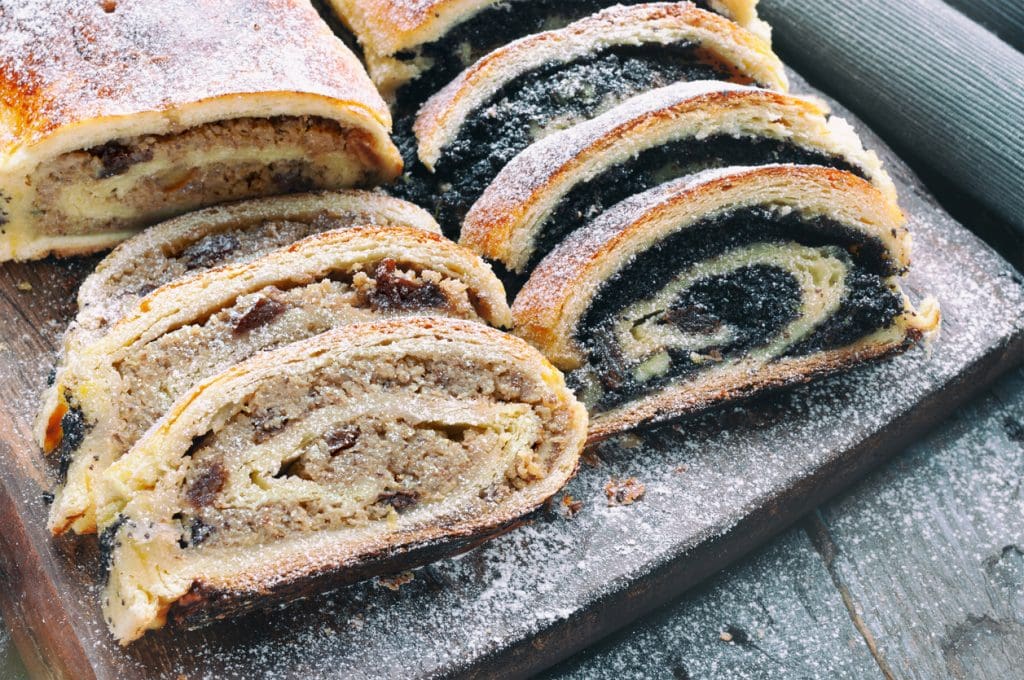
No Hungarian Christmas would be complete without Bejgli. This is a sweet, marbled roll, filled with either poppy seeds or walnuts, each with its own significance: walnuts are said to protect the home, while poppy seeds bring wealth. While these two fillings are the most common, and I like both, my personal favourite is the Bejgli filled with chestnut paste.
Since Christmas falls in winter in Hungary we enjoy a warm mug of mulled wine after dinner. Boldog Karácsonyt!
Talyah – Israel
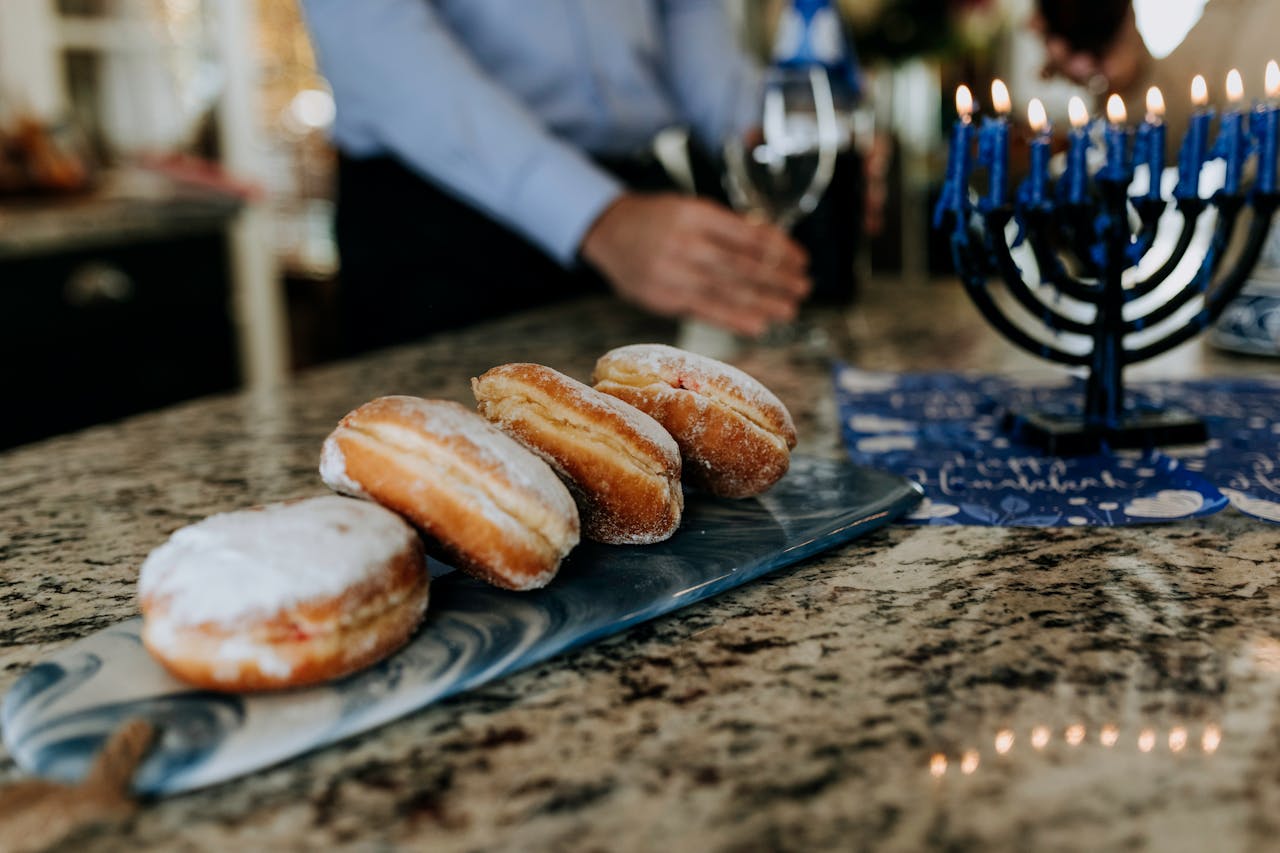
Shalom! Our family is Israeli and, as such, instead of Christmas, we celebrate Hanukkah! Hanukkah typically falls at around the same time of year as Christmas, but since Israelis follow a lunar calendar, the exact dates change year to year. A festival of light, Hanukkah celebrates the reclamation of the temple of Jerusalem way back in the 2nd century BC. When the Jews reentered the temple they found an oil lantern with what they believed to be enough oil for one night of light, but a miracle occurred and the lantern lasted 8 days and 8 nights. To commemorate this, we use a special candelabra called a Hanukkia to light 8 candles over the course of 8 nights.
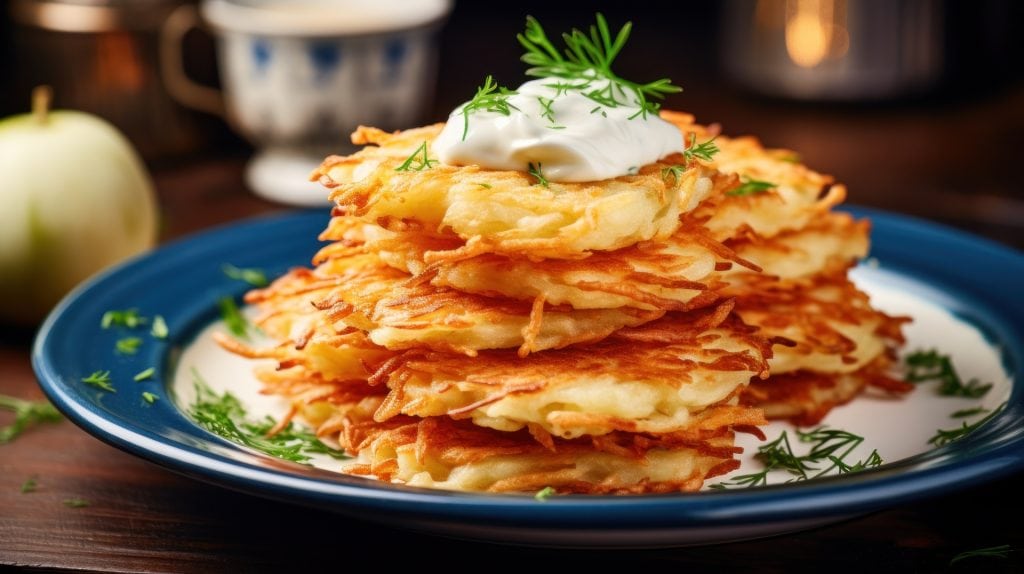
It also wouldn’t be a Jewish holiday without plenty of food! We celebrate the miracle of the oil by eating lots of deep fried food, in particular sufganiyot (doughnuts, traditionally filled with a strawberry or raspberry jam) and latkes or levivot (potato fritters, similar to hash browns).
Hanukkah is an excellent time of year to spend time with family and friends to cook, eat, drink, and sing as we light the candles together.
Kate and Taeko – Japan
Konnichiwa! In Japan, Christmas is not a traditional holiday, but we still like to share Kurisumasu keki (Christmas cake) with family or friends on Christmas Eve. The cake consists a light sponge cake layered with whipped cream and decorated with strawberries.
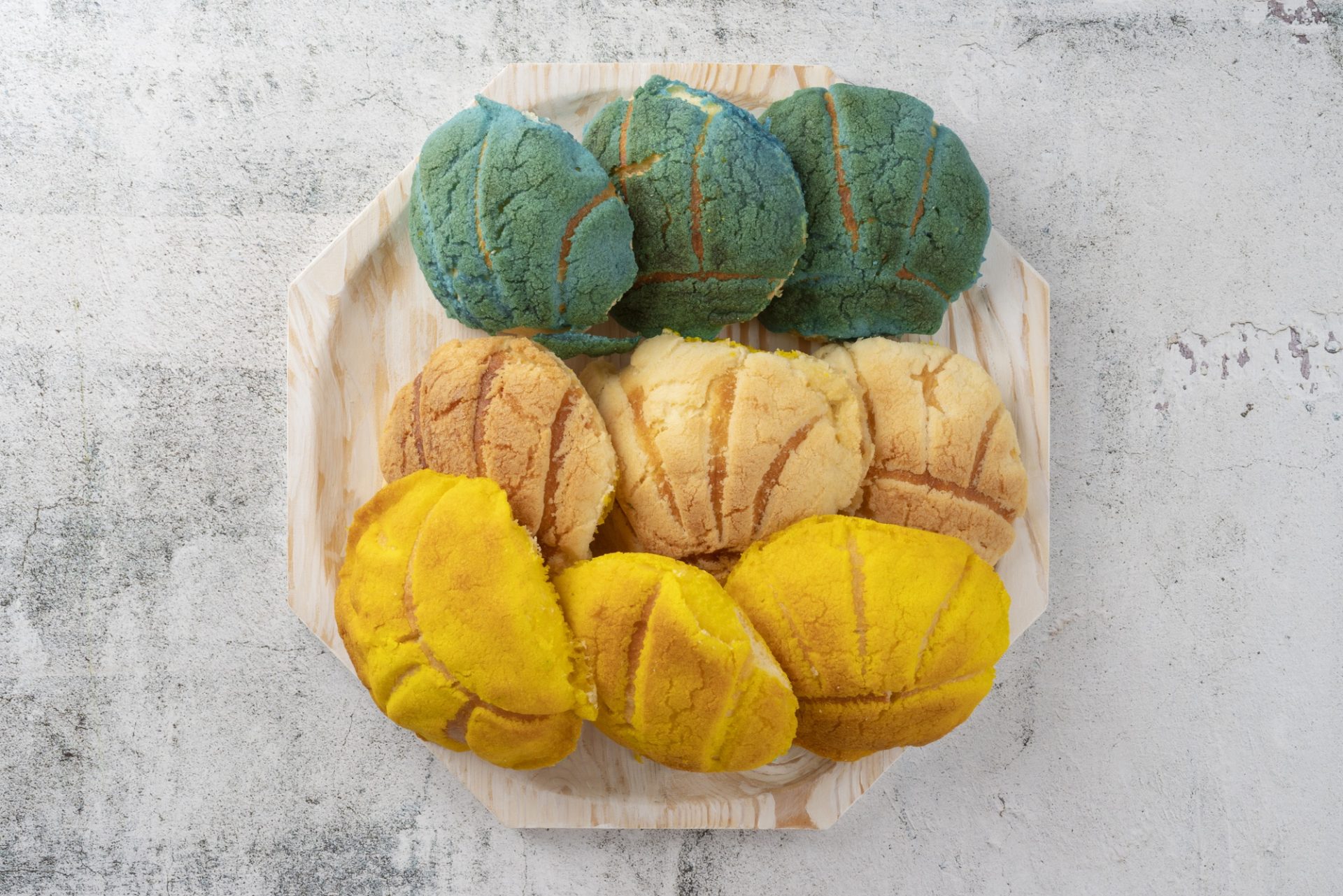
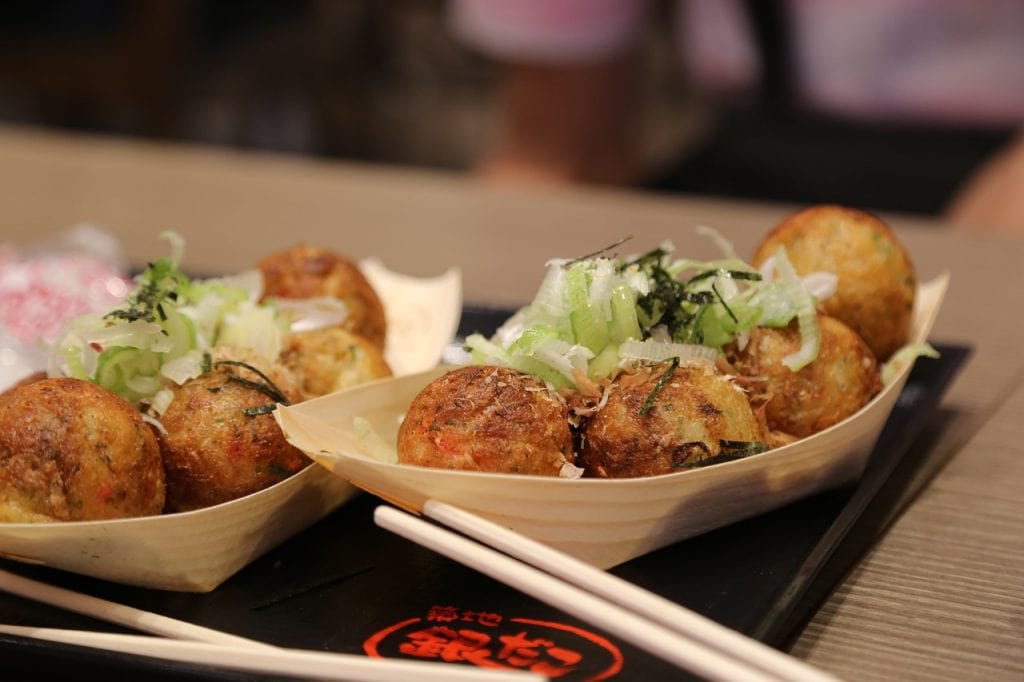
We typically celebrate New Year more than Christmas. My favourite treats were my grandmother‘s home-baked Melon Pan (a sweet bun that’s like a warm hug on a winter day), takoyaki (grilled octopus balls) and natto (fermented soy beans).
Melandie – South Africa
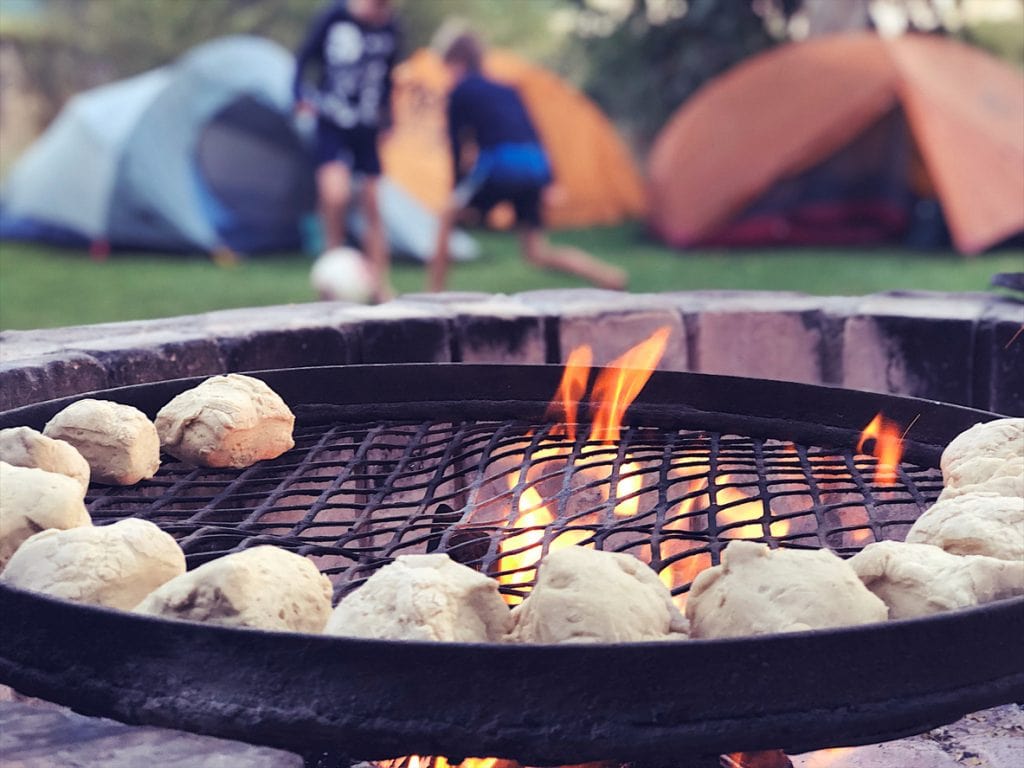
Hallo! Christmas in South Africa is a blend of diverse cultures. On my mum’s side, we’d have cold roasts and salads, while my dad’s Afrikaans family celebrated with a lively Braai (a method of open fire cooking – never referred to as a barbecue) with sides like braaibroodjies (grilled cheese toasties), roosterkoek (grilled bread), garlic bread, and salads.
I remember one Christmas, our cousins came and we transformed our garden into a campsite: we set up tents, made ‘Christmas beds’ (a bed on the floor for multiple people to sleep on) and spent the day out of sight from our parents, swimming and playing board games.
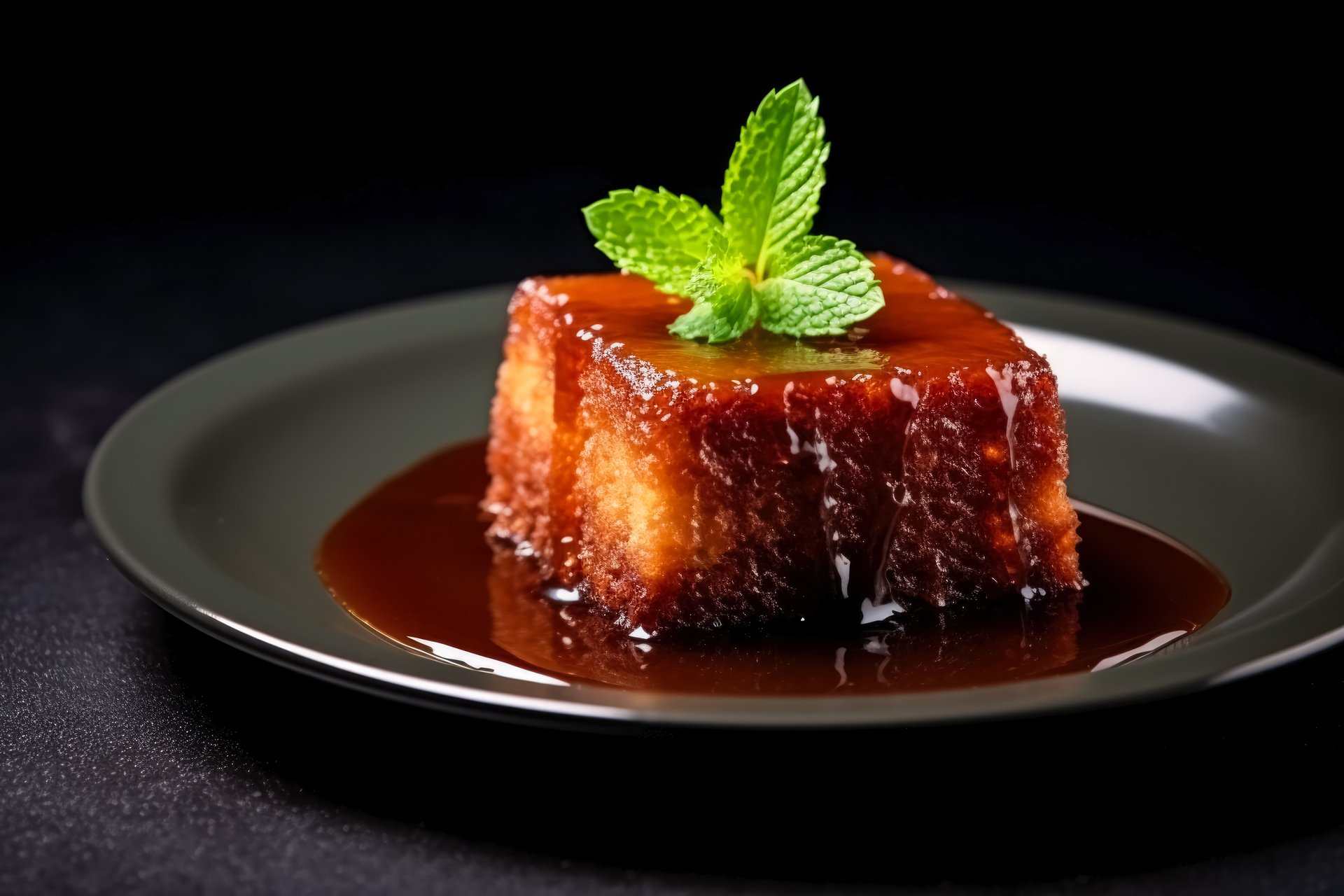
The desserts were always the highlight for me (I didn’t train as a Pastry Chef by accident 😉): trifle, Malva pudding, and my personal favourite, Peppermint crisp tart. Christmas in South Africa is a time for family togetherness, and it undeniably holds a special place as one of the most joyous times of the year.

Editor’s note: Mel no longer works at Bellbird, but we love her Croquembouche creation so much we’re keeping her there 🙂
Kaz – New Zealand
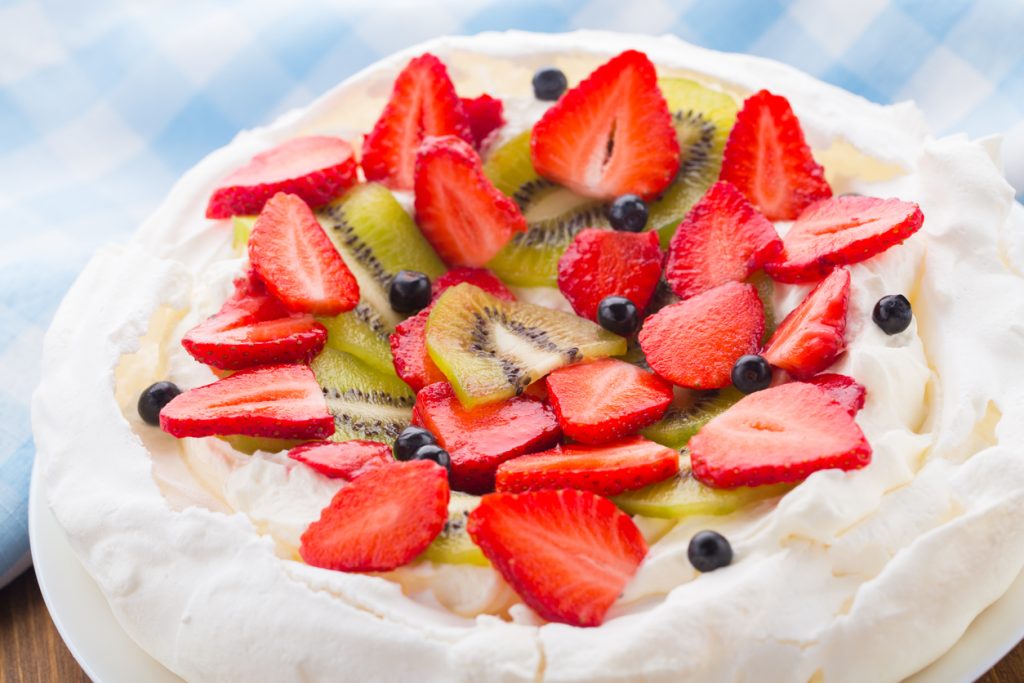
Kia ora! I’m a Kiwi who absolutely looooves Christmas! I think there’s something magical about celebrating in the warmth of summer. In my family we usually have barbecues, fresh seafood, and lots of pavlova topped with kiwifruit and strawberries, in typical Kiwi fashion. As a kid my family would often go camping during this time.
For me Christmas is the biggest family event of the year, and having everyone gathered together just fills me with joy. 😄
This Christmas, why not bring a piece of the world to your table? Inspired by the stories of our team at Bellbird Bakery, you could try baking a Pan dulce from Argentina, preparing a batch of Israeli sufganiyot, or even attempting a German Stollen (although you might find it easier to buy one already made 😁). Each dish carries a story, a tradition, and a little bit of our team’s heart.
Merry Christmas, and happy baking!