
At Bellbird, our bread contains only flour, water, and salt (and some also seeds, nuts or yeast). Unlike supermarket loaves, which often include preservatives, extra gluten and emulsifiers, fewer ingredients usually mean bread that goes stale more quickly. But there are some simple steps you can take to keep it fresh for longer.
In this article, Alice shares her best tips for storing your bread.

Not all loaves are created equal
As a rule of thumb, sourdough bread that has had a long fermentation time typically lasts longer than yeasted bread.
Larger loaves also keep better than smaller ones, no matter the type of bread. If you’re looking for a long-lasting option, we recommend the Rye Sourdough, Porridge Sourdough, or larger loaves such as the Waitaha miche. On the other end of the spectrum, smaller loaves like baguettes and rolls tend to go stale more quickly.
By the way, why does bread go stale?
The staling process, also called retrogradation, is caused by a chemical change of the starch. This starts happening as soon as the bread comes out of the oven, and there’s nothing we can do to stop it (apart from freezing the loaf, see below). If you’re interested in the science, here’s a good explanation: bread staling explained.
What to avoid at all costs
- Storing bread in the fridge. Contrary to popular belief, refrigerating bread speeds up the staling process.
- Putting warm bread in plastic. This traps humidity, softening the crust and causing the bread to mould faster. Bread should be allowed to breathe when it’s fresh.
- Leaving bread uncovered on the counter. That’s a sure way to get a stale loaf fast.
The best way to keep bread fresh: Freeze it
If you know you won’t be able to get through your loaf before it starts going stale, the best thing you can do is freezing part or all of it. Here’s how:
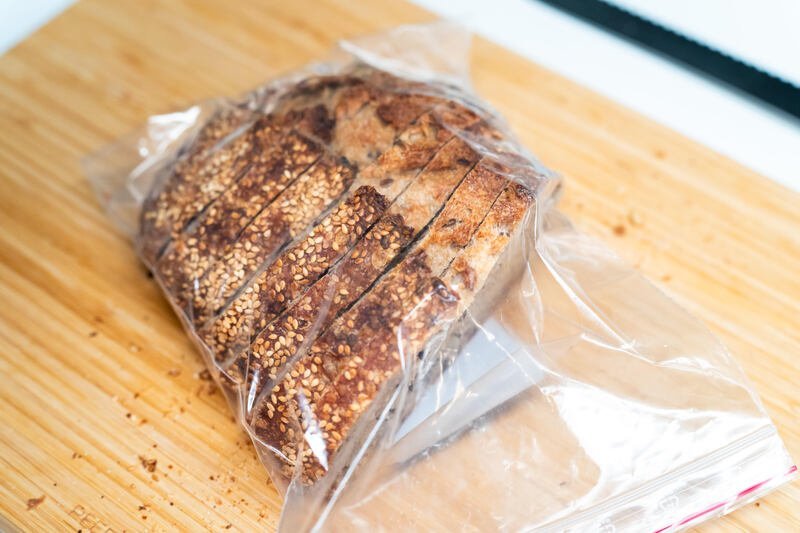
- Wrap the loaf: Put the bread in a ziplock bag, squeeze out as much air as possible to prevent freezer burn, and pop it in the freezer.
- Consider slicing first: If you like to defrost only a few slices at a time, pre-slice the loaf before freezing.


When you’re ready to use your frozen bread, let it thaw at room temperature or reheat it:
- For whole loaves: Bake at 180°C for 20-30 minutes. It should be soft and fully thawed in the middle.
- For slices: Toast them directly from frozen.
Pro tips:
- Avoid refreezing bread once it’s thawed, as it will badly affect the texture.
- Don’t put your bread in the freezer and forget about it: the more time it spends in the freezer, the more the quality will degrade.
Storing bread at room temperature
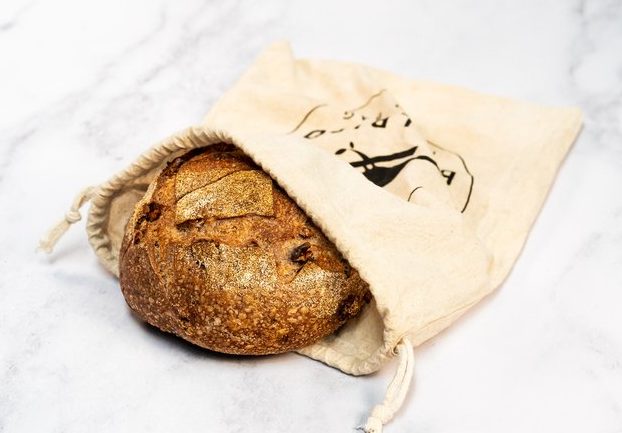
If you plan to eat your bread within a few days, keeping it at room temperature is perfectly fine. Here are some options:
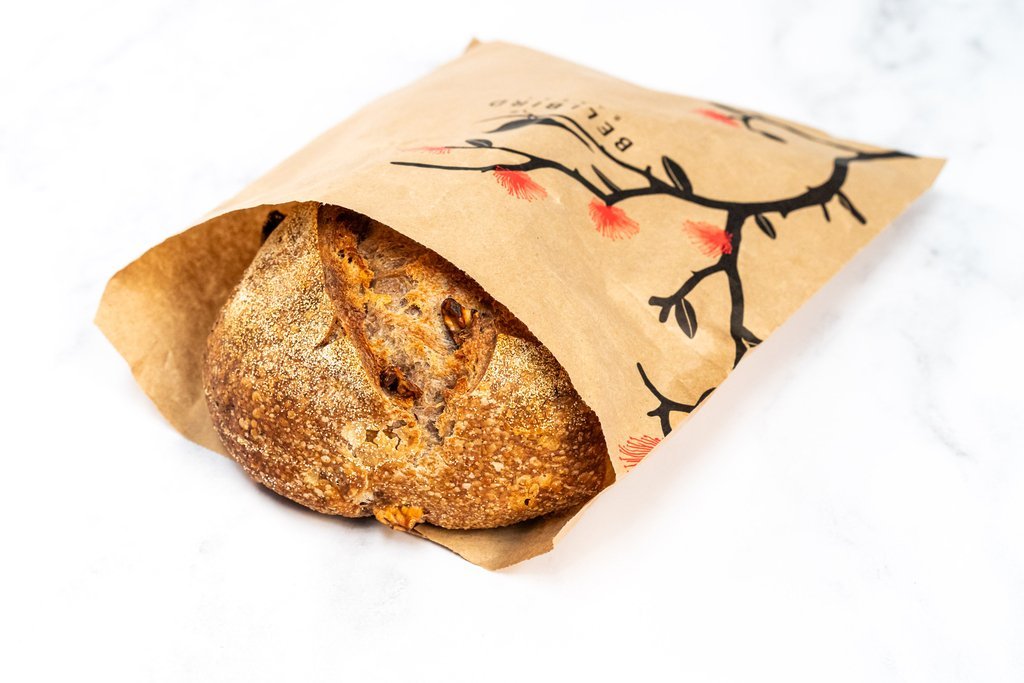
- The paper bags your bread comes in are perfectly fine for short-term storage but won’t stop the loaf from losing moisture and become hard within a few days.
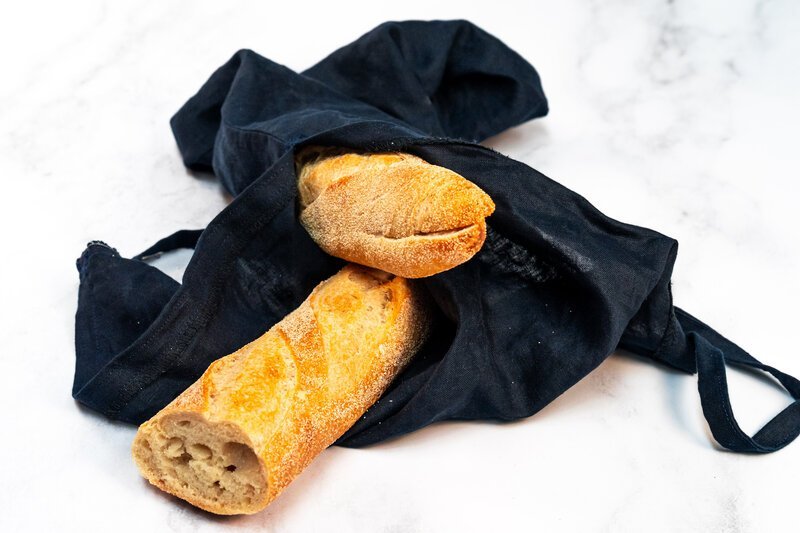
- A slightly superior method is to transfer your bread into a linen or cotton bag, or even a clean tea towel. The fabric allows the bread to breathe, therefore stopping it from getting mouldy.
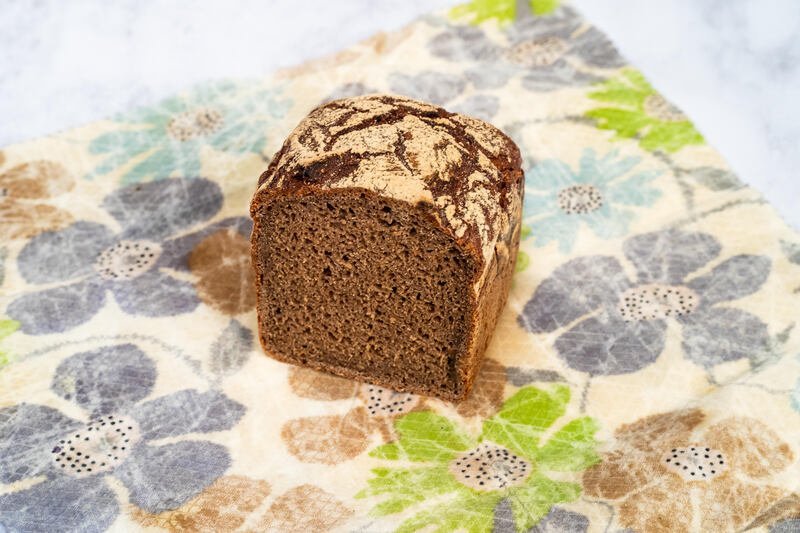
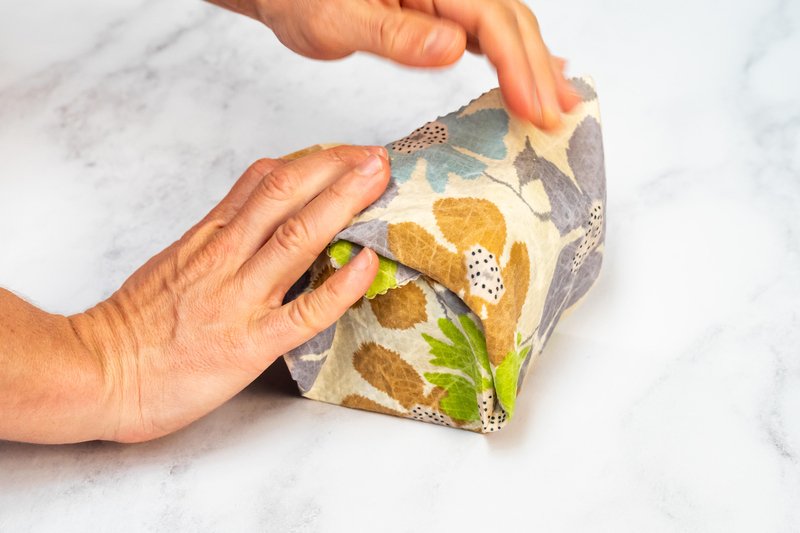
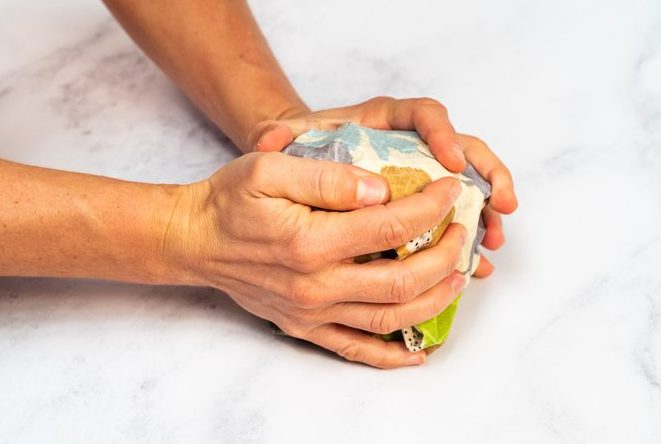
- We have had good results with beeswax wraps: they hold in more moisture than paper or cloth bags, and the antimicrobial properties of the wax might help prevent mould. Find a wrap that’s large enough to cover your entire loaf and wrap it snugly. The benefit of beeswax wraps, like fabric bags, is that they are washable and reusable. Here‘s an example of a local supplier.
To keep bread soft longer: Use a plastic bag
After the first day or two, you can place your loaf in an air-tight plastic bag (the same kind you’d use for the freezer or some basic plastic wrap will do). This will keep the moisture trapped in, so the bread doesn’t dry from the inside out.
The downside of this is that the crust will become soft, and if you keep the bread in the bag for too long, it will eventually go mouldy. So keep an eye on it, and toast it to bring back some of that crunch we all love.

The bread box option
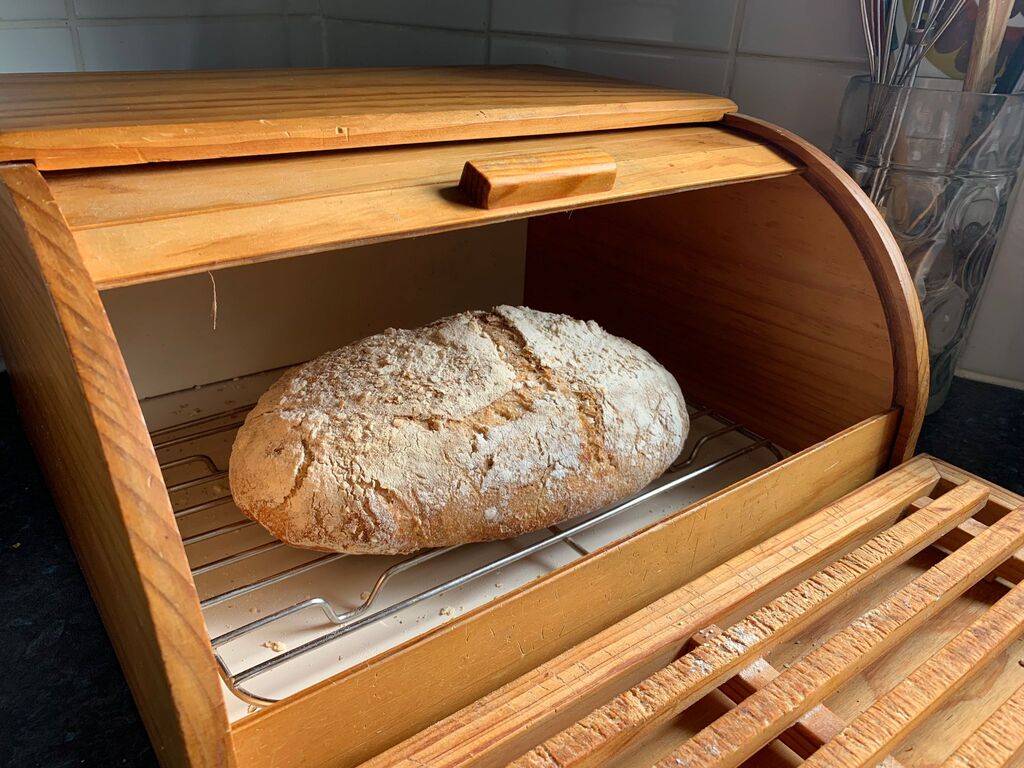
Although I don’t use one myself, bread boxes or bins come highly recommended. They allow enough airflow to prevent mould while also keeping the bread from drying out. If you use a bread box, store your loaf with the cut side down for the best results.
How to store pastries
Pastries should ideally be eaten the day they’re baked. However, if you’d like to serve them at a later date, you can freeze them (especially those without pastry cream) or keep them in paper or plastic bags. To restore flakiness, I always recommend reheating them in the oven before serving.
Final thoughts
We hope these tips help you keep your Bellbird bread fresh for longer. Keep in mind that the time of year and climate in your kitchen—whether it’s humid, dry, hot or cold—will affect how long and how well you can keep your bread.
And if, despite your best efforts, your loaf goes stale, don’t worry! There are countless recipes out there to use stale bread!