
Bellbird has been making sourdough bread since the very beginning, back in 2010. In the heart of every loaf of sourdough lies a simple yet fascinating ingredient: the sourdough starter. But what exactly is a sourdough starter, and why is it so crucial to sourdough bread?
We sat down with founder, managing director and seasoned baker Jeremy to dive into the bubbly world of this natural leavening agent.
What is a sourdough starter, and how does it work?
A sourdough starter is a live culture of bacteria and yeast in a mixture of flour and water. The yeast produces carbon dioxide (giving the bread its rise) and the bacteria creates lactic acid (contributing to the sourdough’s distinctive tangy flavour). The starter is kept alive by regularly removing a portion and feeding it with fresh flour and water. This keeps the fermentation going so it acts as a natural leavening agent in the bread.
It is very similar to how many other fermented foods are made, for example, yoghurt and beer are inoculated with a small part of the previous batch to kick-start fermentation.
How did you first get into baking with sourdough?
I used to work at this bakery making mostly small sandwich breads and burger buns. Earlier in the night the senior bakers would bake these rustic sourdough loaves which had this different aroma, crust and tang to them. It was hard not to be attracted to this style of baking because my mouth just waters with the aroma of it. Technically it’s a challenge that most bakers will seek out as they gain experience.
Can you describe the process of creating a sourdough starter from scratch?
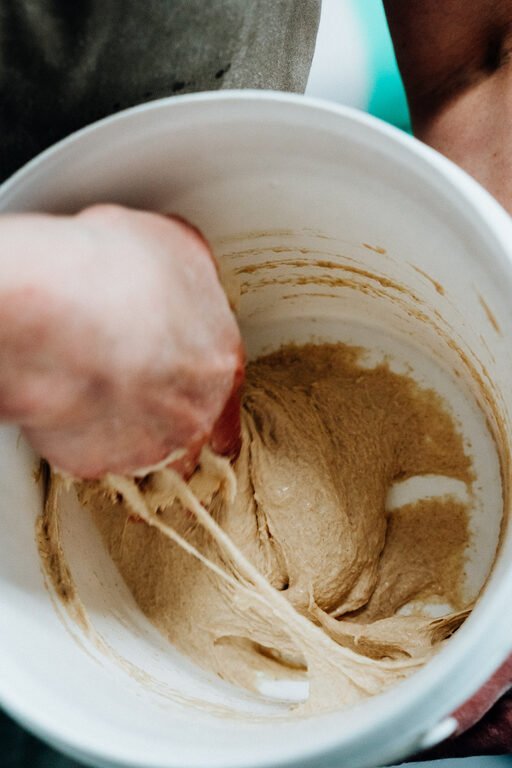
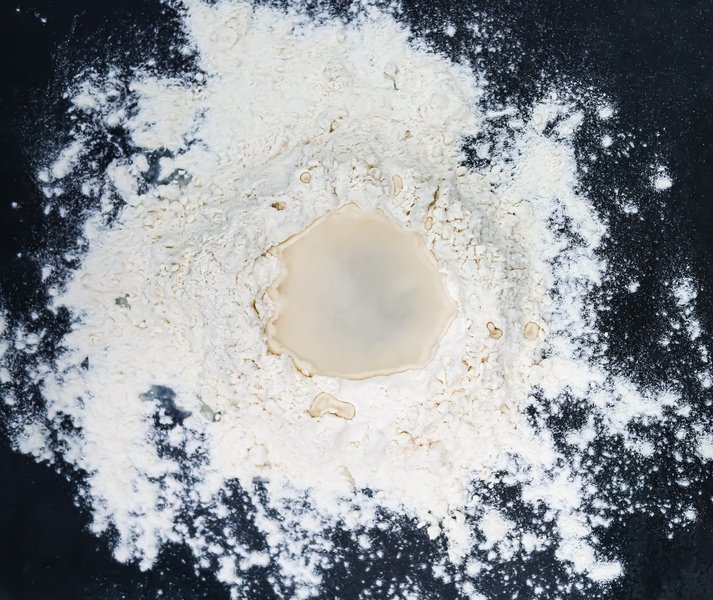
It is really as simple as mixing equal weight of flour and water together. Keep it warm, the same temperature as you’d like to be. You don’t need to feed it every day initially as it will take a few days for fermentation to start.
What are the key ingredients needed for a sourdough starter?
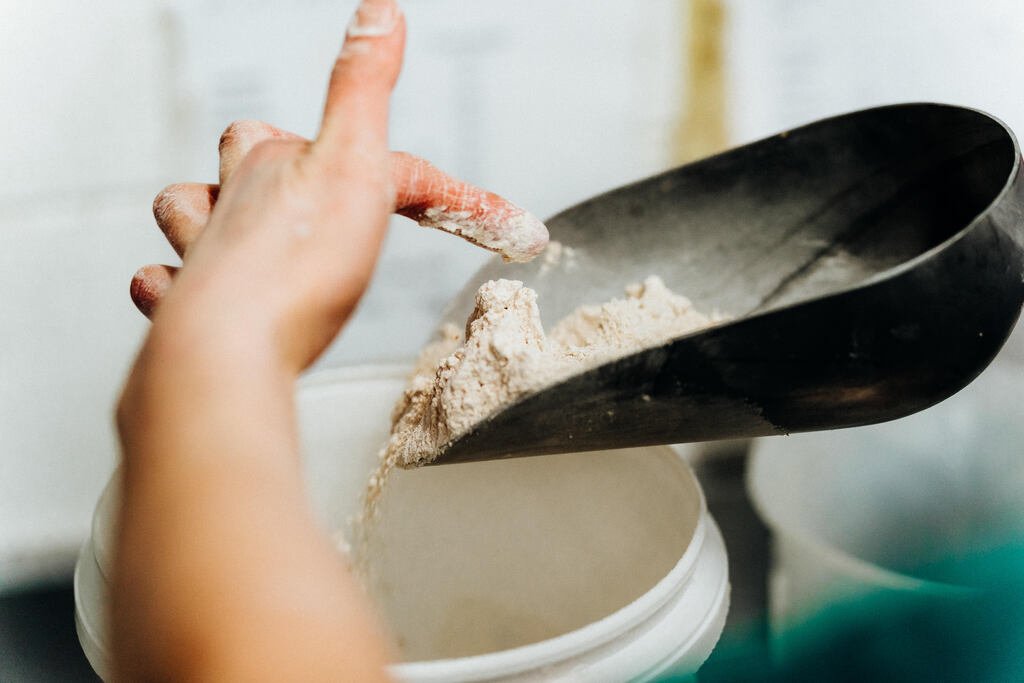
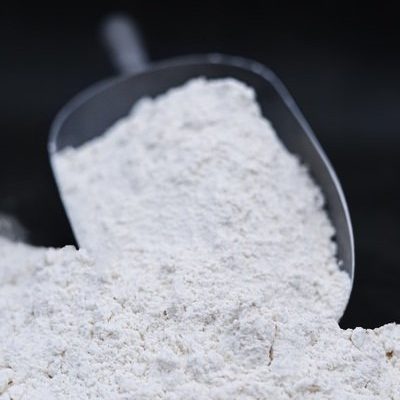
All you need is flour, water and time. We’ve noticed that wholewheat or rye flour tends to promote faster fermentation.
Some people insist on naming their starter. I have a feeling that this encourages a bond between the baker and their sourdough.
How do you maintain a sourdough starter?
If you are using your starter every day to make bread, you can keep it at room temperature. You need to feed it at least once a day with flour and water.
If you are baking once a week or less, you’ll want to put your starter in the fridge between uses to slow the fermentation right down. Then remember to take it out a day or two beforehand and feed it a few times to build up the activity before you use it in your bread.

What are the signs that a sourdough starter is healthy and ready to use?
A healthy starter should double in volume within a few hours at room temperature or pass the float test—a spoonful should float in warm water, indicating it’s ready to leaven bread.
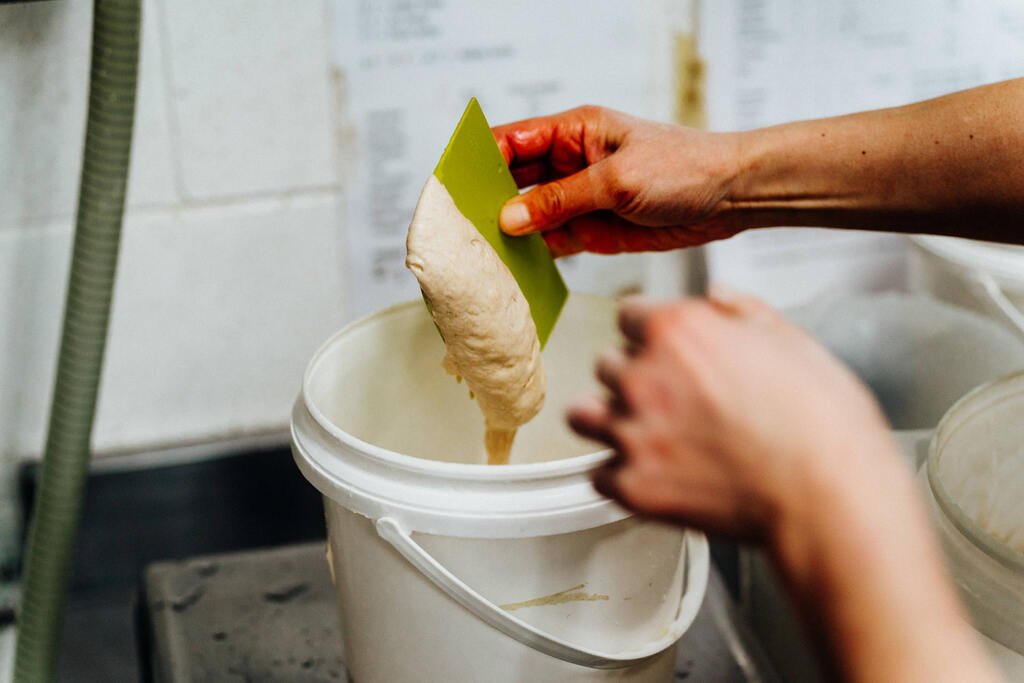
Basically, if you can cut into a starter and expose the inside of it, it will give you a good indication of the bread you’re going to be able to make with it in terms of the gas structure.
What are the signs of an unhealthy starter?
The aroma is a good guide—a healthy starter should smell yeasty and slightly sour, with a hint of ripe fruit. Wild yeast and bacteria both have a role in the fermentation process and should be in balance. If it smells too sour, it indicates that the bacteria has overtaken the yeast, leading to overly acidic dough that won’t rise well. No one wants a pancake loaf.
What common mistakes do people make with sourdough at home?
I think one of the common mistakes is that people get too in-depth about the right and wrong ways of making bread. They get maybe too obsessed with the technicalities and the methods rather than the principles. The principle is you want a healthy, active starter and you want to transfer a small amount of that starter to a dough. But there are many different ways to make bread.
One thing to keep in mind is that baking is an iterative process. You need to be constantly reading the symptoms of your loaf to think about how you’re going to improve it next time. And that’s what we’re doing at the bakery all the time, we’re constantly problem-solving to try and make better bread.
How can you revive an inactive or unhealthy sourdough starter?
You could just start a new one. I mean, sourdough isn’t a sacred thing. It takes on the characteristics of how and what you feed it. Removing a large portion of it (I’m talking up to 80%) and feeding the remainder with fresh flour and water can help reset its balance.
What are some tips for achieving consistent results with sourdough bread?
Keeping records of what you’re doing, especially temperatures, can help. But remember, some variables are beyond your control. As I said earlier, baking is an iterative process — each loaf teaches you something new. Experimenting and staying curious is essential. It’s what keeps the craft exciting.
What’s the difference between a young starter and a mature one?
A young starter is teeming with many different varieties of yeast and bacteria. Those come from the flour, your hands, the equipment, the air and your environment. Over time, by repeating the same feeding schedule, you are unconsciously selecting for a particular type of yeast and bacteria. Eventually, there will be a symbiosis between a certain type of yeast and a certain type of bacteria, and the starter becomes a bit more dependable.
You can usually taste the difference between a young starter and a mature starter. Often when you make a new sourdough starter, it doesn’t smell very good; but a starter that’s been fed well almost takes on a sweet, fruity kind of aroma. Personally I find that more agreeable.

Do you have any memorable sourdough stories?
One time, I brought a sourdough loaf to a birthday party. That one was baked quite dark. A bunch of kids ran up to me thinking it was a cake and they were all really excited. You should have seen the look on their faces when they realised it was a loaf of bread! They did enjoy the bread, but at that moment it was quite funny.
Another one: I used to work for a guy who would put some raw rye sourdough starter in a blender with milk and honey and make it into a shake. Everyone thought he was crazy. Was it good? I’m not sure. I think he kind of did it to just freak people out a little bit.
Some people think it’s a bit strange, but actually tasting the raw dough is the easiest way to judge the health and the stage of the sourdough, as well as checking the smell and look.
How does sourdough align with the philosophy and values of Bellbird?
From the start, Bellbird has focused on using simple, unprocessed ingredients. Sourdough fits perfectly into this philosophy. It’s tempting for bakeries to buy pre-processed stuff, but we’ve stayed committed to using wholefood ingredients as much as possible, even if it means more work.
Moreover, sourdough allows for complexity in the flavour of the bread. The traditional techniques offer more of a challenge, and the reward is a more complex product.
Are there any myths about sourdough starters you’d like to debunk?
There’s a myth that the older the starter the better, but in my experience how you treat it and feed it is what really matters. I realise that some people value the story, and it’s true that saying that the sourdough starter has been passed down through generations makes a good selling point. But realistically, if you take one sourdough starter and take it to two different bakeries, how they feed it and what they feed it with will change the dough over time.
That makes me think of another one I sometimes hear regarding pastries: apparently only French people can make good croissants. That’s one I would like to debunk because pastry making, like bread, is a process. Sure, it’s nice to have discernment over what’s good and bad when it comes to food, but I don’t think you need to be French to do this.
What’s the most unique sourdough creation you’ve made?
Every loaf is unique in its way, but one that I remember is a giant six-kilo sourdough loaf I made when I was living in London. I took it with me on the train to Norwich to bring to a friend’s party. It was so big I had to get a special bag for it. It took over two hours to bake, but the result was worth it —it had a thick, caramelised crust and a soft, tender interior. We barely made a dent in it at the party though.
So simple yet so fascinating! Thank you Jeremy for sharing your expertise, stories and insights, and demystifying the process a bit. Sourdough making sure is a journey of continuous learning and passion!
If you’d like to read more about the health benefits of sourdough, check out this article. Not sure how to tell if a loaf of sourdough is a good one? Here’s a quick guide for you.