At Bellbird, we believe that great products start with great ingredients. This is why we love working with suppliers who share our commitment to quality and sustainability. One such partnership we’re particularly proud of is with Trickett’s Grove, a cooperative of walnut growers. They are based in West Melton, just 30km west of Christchurch.
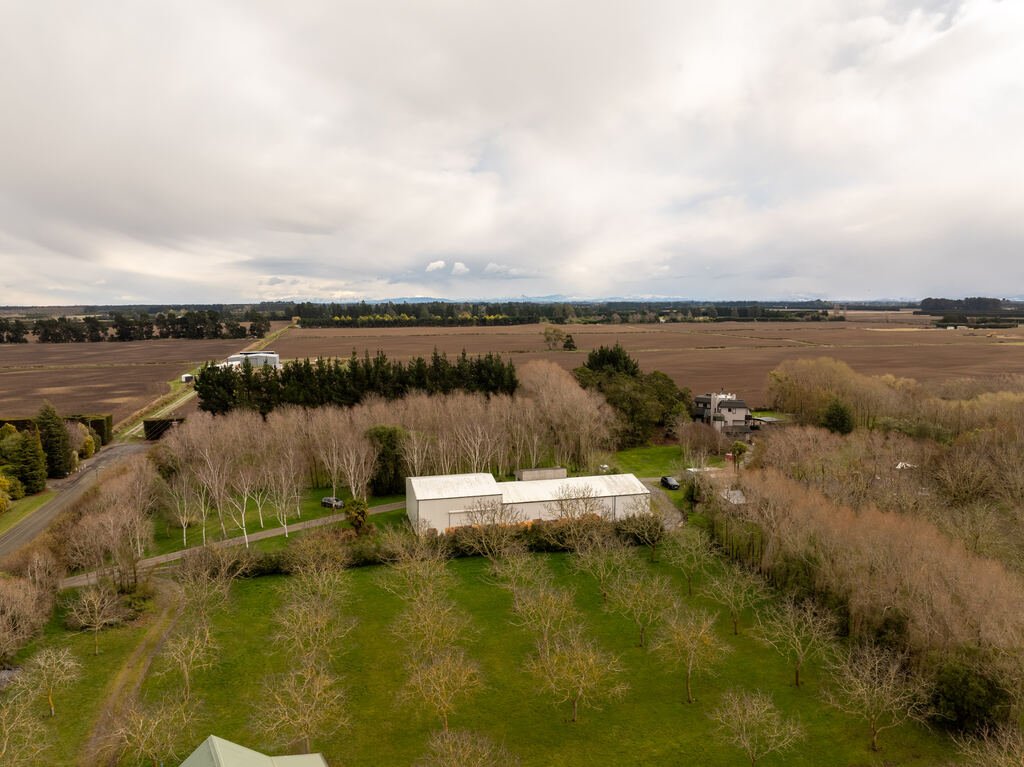
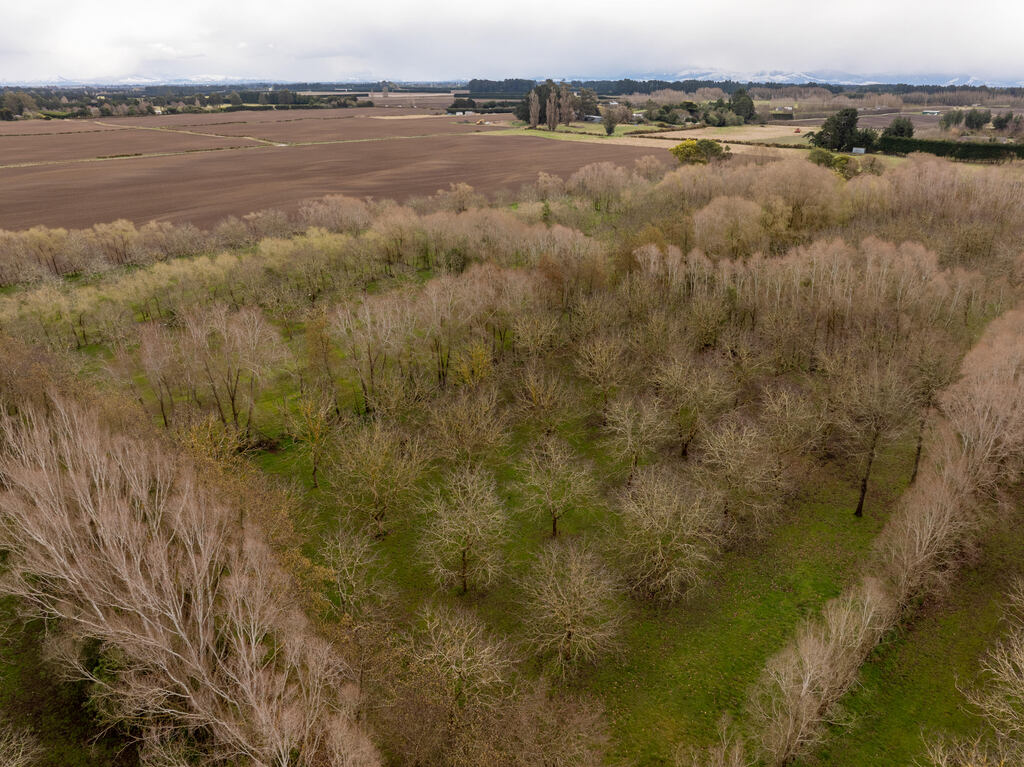
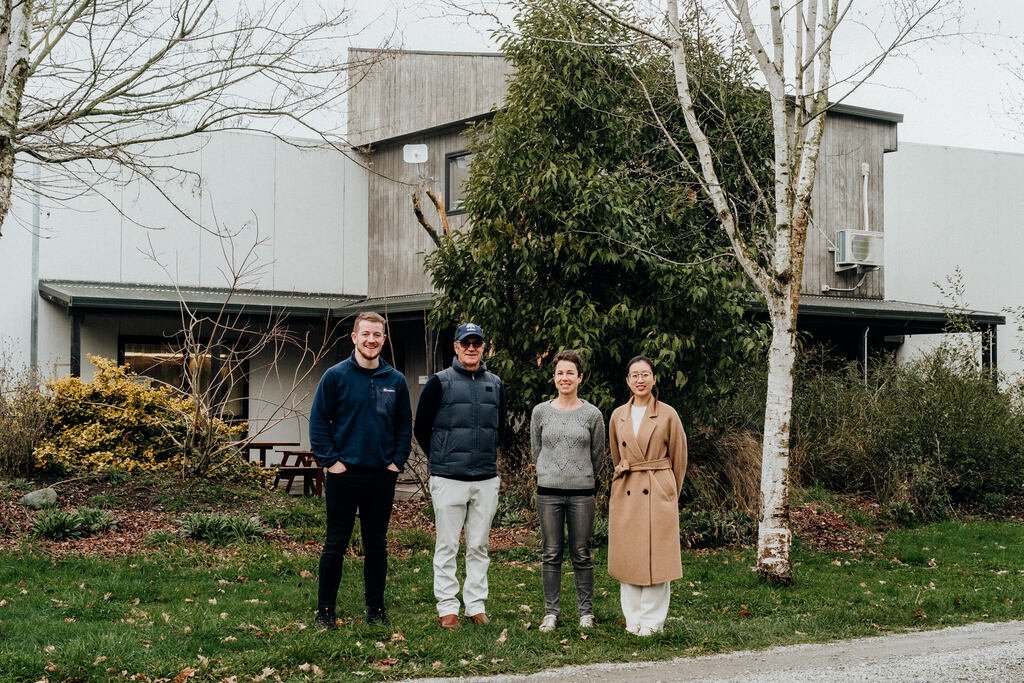
We wanted to learn more about what it takes to grow and process walnuts. So on a cloudy winter day, we went to visit Trickett’s Grove processing plant, nestled among walnut orchards. Kevin and Jenny gave us a tour of the place and explained the steps the walnut goes through before it reaches us.
So, grab a cup of coffee and join us as we delve into the nutty world of Trickett’s Grove!
What makes Trickett’s Grove walnuts unique compared to other walnuts on the market?
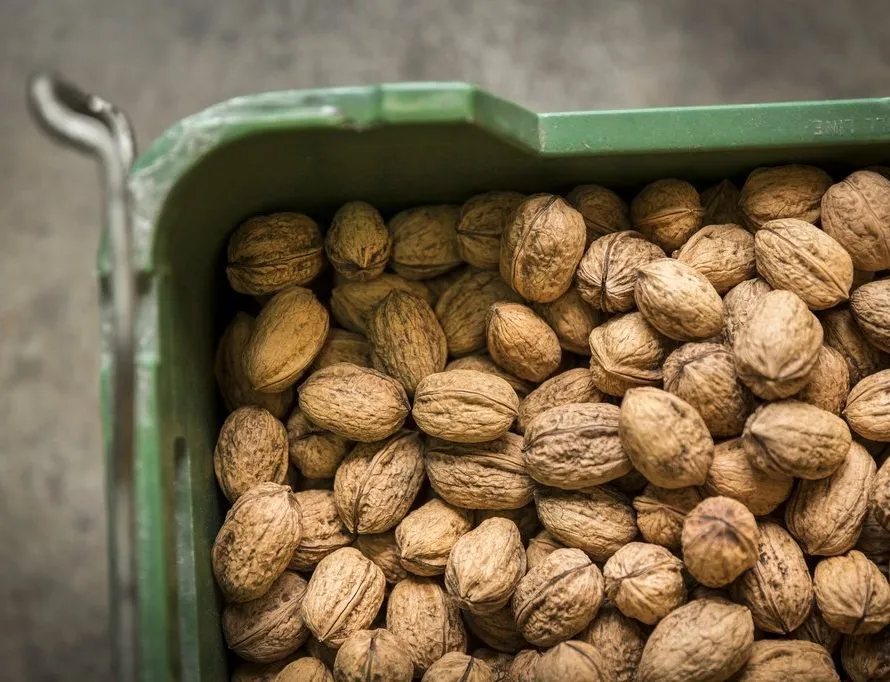
As with most food, freshness is key to walnut quality. The walnut shell serves as nature’s airtight container, protecting the kernels from air and light. Unlike imported walnuts that are cracked months before reaching New Zealand, our walnuts are grown locally and cracked only when needed. This preserves their deliciously fresh, nutty taste.
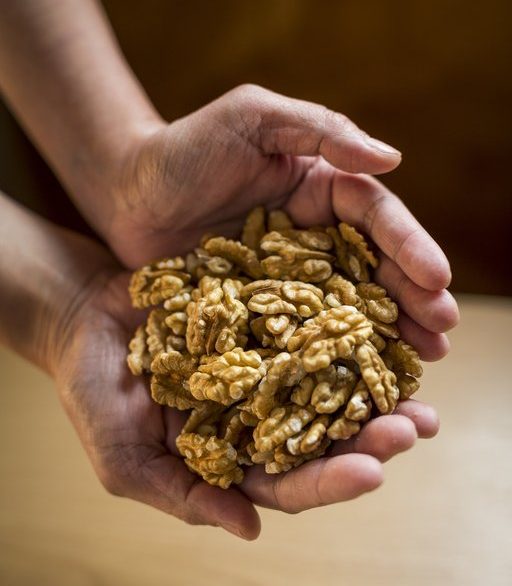
Walnuts exposed to air during long-term storage and transportation can undergo oil oxidation and nutrient loss. This is another reason why freshness is so important. At Trickett’s Grove, our walnuts are freshly cracked just in time for delivery, preserving their natural antioxidants, vitamins and minerals.
How do you ensure the quality and freshness of your walnuts from orchard to customer?
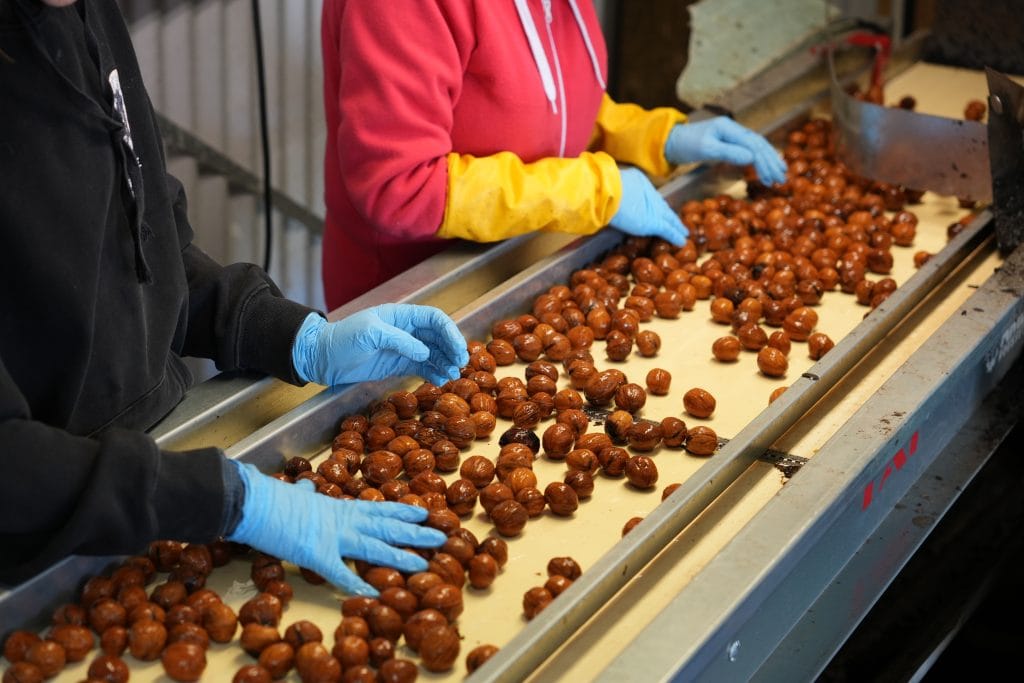
To ensure the quality and freshness of our walnuts from orchard to customer, we follow a meticulous process. After our growers harvest the walnuts, they are washed, sorted, dried, and sized directly at the orchard. During the sorting stage, any walnuts that do not meet our high standards are removed. Once the walnuts arrive at our factory, we conduct sample testing to ensure that the kernel moisture is kept below 5.5%. This moisture level is crucial as it maintains the walnuts’ crispness and prevents spoilage, ensuring the best taste and texture. Additionally, we have a comprehensive traceability system in place, allowing us to accurately track the walnuts sold to consumers back to the specific block of the orchard they came from. This guarantees quality and transparency from the very source.
Our entire operation is conducted under a custom Food Control Plan to make sure every step meets strict safety and quality standards.


What are the key benefits of consuming walnuts?
- We think of walnuts as the “king of nuts” offering fantastic nutritional qualities. Nutrition experts recommend that we eat 30g of raw nuts each day – that’s a small handful or around 7 walnuts.
- Heart health and brain function: Walnuts are packed with essential nutrients, including healthy fats, protein, fibre, vitamins, and minerals. They are an excellent source of omega-3 fatty acids, particularly alpha-linolenic acid (ALA), which supports heart health and brain function.
- Antioxidant powerhouse: Walnuts contain high levels of antioxidants, including vitamin E, melatonin, and polyphenols. These antioxidants may help protect cells from oxidative damage, reducing the risk of chronic diseases such as heart disease and cancer.
- Gut health: Walnuts promote a healthy gut by increasing beneficial gut bacteria, which are crucial for digestion, nutrient absorption, and overall health.
How long can a walnut tree live and continue to produce walnuts?
A walnut tree can live and continue to produce walnuts for a remarkably long time. On average, a healthy walnut tree can live for 100 to 200 years, although some trees have been known to live even longer. It takes great commitment to be a walnut orchardist as the trees take up to 15 years to become fully productive!
What’s the busiest time of year for a walnut grower?
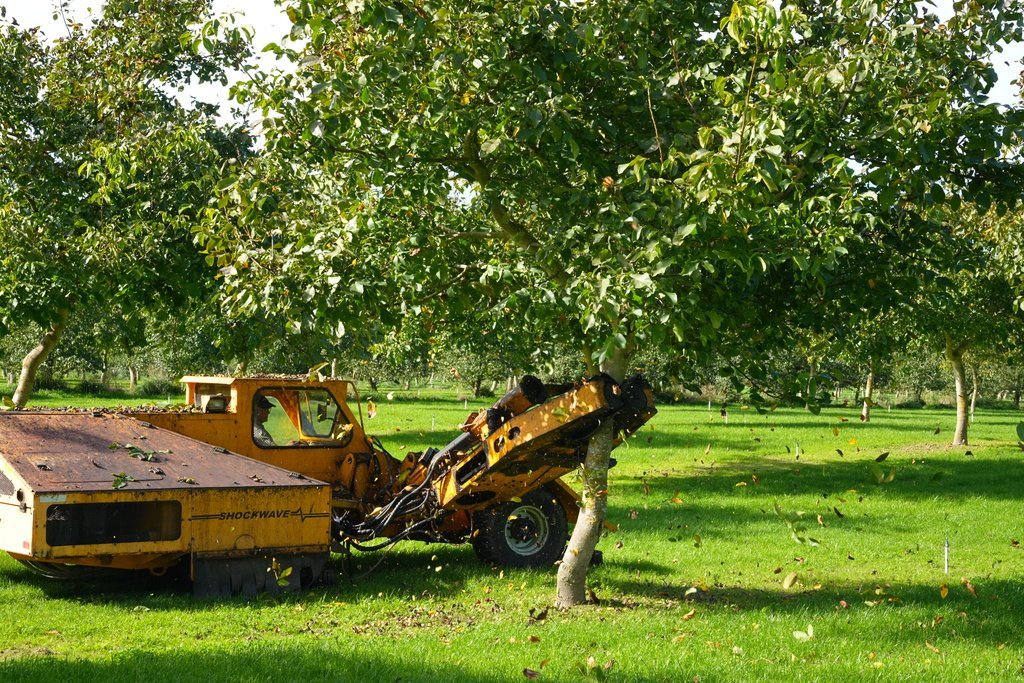
From March to May each year, walnut growers are at their busiest. We usually start harvesting at the end of March, when the walnuts begin to fall to the ground naturally. To speed up the process, we use tree shakers to knock the walnuts to the ground, and then collect them with machinery. This process is a race against time because walnuts left on the ground for too long, especially in damp conditions, can start to rot. After harvesting, we clean, sort, dry, size, and store the walnuts. During the harvest season, our growers work incredibly hard, often putting in more than 12 hours a day.

What practices do your growers have in place to ensure sustainable farming?
- Our philosophy is to help our trees become productive with as little intervention as possible. This means we aim to limit the use of chemicals and use other techniques to grow delicious nuts. One way we do this is to actively prune the trees to optimise their shape and create an orchard canopy. This maximises the amount of sunlight on the trees which helps nourish and grow the nuts.
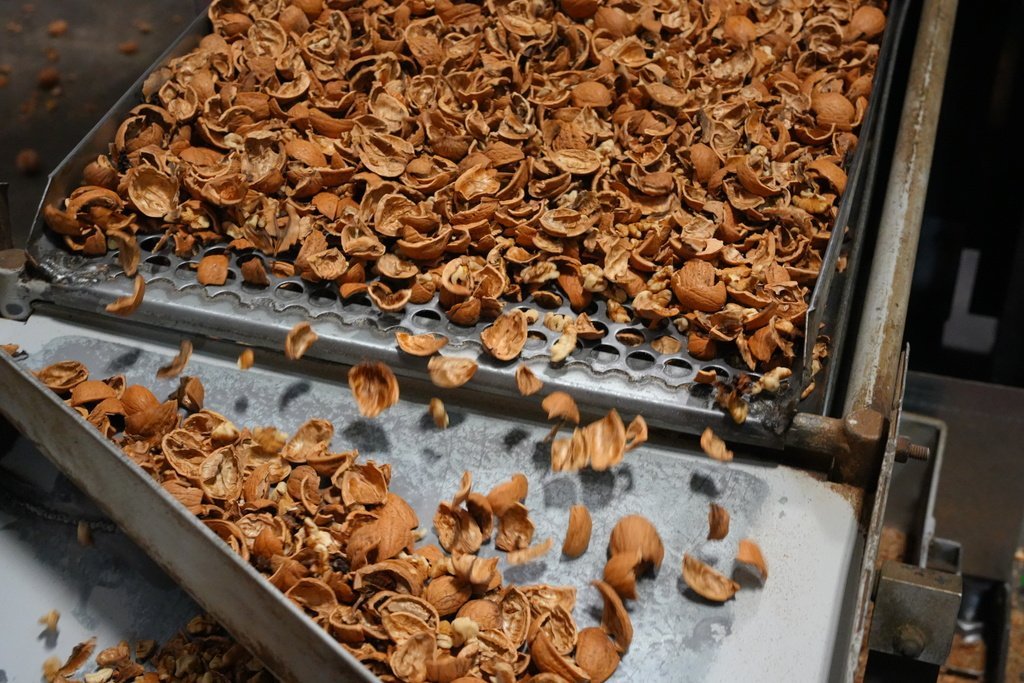
- Another sustainability initiative involves sending all of our walnut shells to a landscaping company, where they are composted and used in a specialty garden mix.
What’s one thing you wish more people knew about walnut farming?
All our trees are great for the environment as they process atmospheric carbon and store it in the branches and roots for a hundred or more years. This process reduces greenhouse gases in the atmosphere and contributes to environmental protection. By growing walnut trees, we support a healthier planet while producing high-quality nuts!

Any interesting or lesser-known facts about walnuts?
One interesting tip that many customers might not know is that the best way to store walnuts is in the refrigerator. Unlike other nuts that can be kept at room temperature, walnuts are more susceptible to oxidation once shelled and can go rancid more quickly if stored improperly. Keeping them in the fridge helps maintain their freshness, ensuring you enjoy their full flavour and nutritional benefits for longer.
What else can be done with walnuts?
One of the most creative and unexpected uses of walnuts is turning the shells into handcrafted items. Since the two halves of the walnut shell resemble tiny boats, they are perfect for making walnut boats. Such an interesting idea!
Do you have a favourite walnut recipe?
At the Auckland Food Show 2024, we used our walnut flour to make some walnut cakes, and our customers loved them. The recipe is incredibly simple, requiring just three ingredients: walnut flour, sugar and eggs. You can find the recipe here: Gluten-Free Walnut Cake.

Thank you Jenny and Kevin for giving us a glimpse into the walnut world!
We use Trickett’s Grove walnuts in our Walnut Sourdough and Walnut & Salted Caramel Brownie, as well as the occasional seasonal product. We love working with a fresh and high-quality product that is grown locally according to sustainable practices.
Working with suppliers like Trickett’s Grove allows us to create the quality baked goods you love, and we’re excited to continue this delicious partnership.